
Lowrider culture, originating in 20th-century California, has evolved into a global phenomenon celebrated for artistic expression and technical mastery. For photoshoots, select Lowriders naturally in vibrant urban settings, scenic landscapes, or iconic racing communities that evoke a sense of belonging and individualism. Key considerations include understanding legal requirements, aligning wheel choices with themes, and prioritizing creative vision. Capturing optimal lighting during golden hours, emphasizing curves and custom details, and incorporating cultural context creates compelling galleries. Lowrider galleries tell stories through meticulous craftsmanship, restoration skill, and custom designs, appealing to both automotive enthusiasts and casual viewers.
Lowrider photoshoots have long been a celebrated art form, showcasing the beauty and customization of these iconic vehicles. However, finding a comprehensive gallery that truly highlights the craftsmanship and diversity of Select Lowriders can be challenging. This article addresses this gap by presenting an in-depth exploration of the best Lowrider photoshoots, offering a visual feast for enthusiasts and a valuable resource for those new to this captivating culture. We bring you a curated selection that not only celebrates the aesthetic but also delves into the story behind each unique build, providing genuine insight into the world of Select Lowriders.
- Understanding Lowrider Culture: A Historical Perspective
- Choosing the Perfect Location for Your Photoshoot
- Selecting the Ideal Lowrider Vehicles: Tips & Tricks
- Capturing Stunning Visuals: Photography Techniques
- The Art of Storytelling Through Lowrider Gallery Displays
Understanding Lowrider Culture: A Historical Perspective
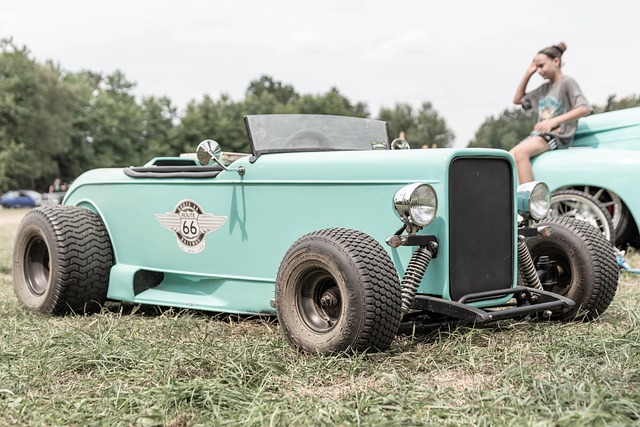
Lowrider culture, with its rich history, has evolved from a niche automotive passion to a global phenomenon celebrated for its artistic expression and technical mastery. Understanding this subculture requires delving into its historical roots where select Lowriders were not just vehicles but canvases for creativity, reflecting the unique identities and aspirations of their owners. The term ‘Lowrider’ initially emerged in the early 20th century among Mexican-American communities in California, where modifying cars became a form of social expression and community bonding. These custom cars, often based on older models, showcased exquisite craftsmanship, with intricate details adorning both the exterior and interior.
The cultural significance of Lowriders reached new heights during the 1950s and 1960s when they became a symbol of youth rebellion and individuality. Restoring an old Lowrider today involves meticulous attention to these historical elements, ensuring that each car tells a story rooted in its era. Many enthusiasts seek out classic models known for their iconic status, such as the 1940s-era lowriders with their sleek designs and customized chassis, or the later models featuring flashy lights and sound systems. The process of restoring these collectibles involves not just repairing mechanical parts but also preserving the car’s historical integrity, ensuring it remains a testament to its original owners’ creativity.
Luxury Lowrider interiors are another facet that has contributed to their allure. These custom-made spaces often reflect the taste and personality of the owner, featuring opulent materials, unique seating arrangements, and cutting-edge technology. Collectible lowriders for sale, whether vintage or modern, command premium prices due to their rarity and historical significance. For instance, a fully restored 1970s Lowrider with original parts and documentation can fetch tens of thousands of dollars at auctions, reflecting the passion and investment in this distinctive automotive culture. Today, Lowrider photoshoots capture not just the aesthetic appeal but also the spirit of a community that celebrates its heritage through these extraordinary vehicles.
Choosing the Perfect Location for Your Photoshoot

When curating a lowrider photoshoot gallery, choosing the right location is paramount to capturing both the spirit of lowrider culture and the unique aesthetic these vehicles exude. Consider the diverse facets of lowrider life—from the vibrant energy of car shows in bustling urban centers to the serene beauty of scenic landscapes where custom cars can truly stand out. For instance, the iconic lowrider racing communities that dot city streets offer a dynamic backdrop, showcasing not just the cars but also the passion and camaraderie within this subculture.
In terms of aesthetics, the history of lowrider culture, deeply rooted in community and personal expression, naturally lends itself to locations that inspire a sense of belonging and individualism. Think urban alleys where the cars are illuminated by neon signs, or empty parking lots that echo with the low rumble of engines. Even indoor spaces like warehouses or car museums can capture the essence of lowrider culture, allowing for creative lighting and displays that highlight the intricate details of luxury lowrider interiors—a facet often overlooked but crucial to appreciating these customized vehicles.
Actionable advice includes researching local lowrider events and gathering insights from veteran photographers who have a proven track record in capturing this unique segment of automotive culture. Data suggests that locations with diverse terrain, vibrant street art, or historic significance can significantly enhance the visual appeal of your gallery. Ultimately, selecting a location where lowriders naturally fit—be it a classic drive-in theater or an abandoned warehouse—will not only elevate your photoshoot but also contribute to a memorable and authentic lowrider photography experience.
Selecting the Ideal Lowrider Vehicles: Tips & Tricks
Selecting the ideal lowrider vehicle is a crucial step in creating an unforgettable photoshoot gallery. This process involves more than just choosing a visually appealing car; it requires an understanding of legal requirements and a keen eye for customization potential. In many regions, specific regulations govern lowriders to ensure safety and roadworthiness, including restrictions on tire size, lighting modifications, and overall vehicle structure. Therefore, it’s essential to familiarize yourself with these lowrider legal requirements before embarking on your project.
One of the most distinctive features of lowriders is their custom wheel options. From classic wire spoked wheels to modern forged alloys, the choice can significantly impact the car’s aesthetic. Consider the vehicle’s original design and intended theme when selecting wheels. For instance, a vintage lowrider restoration might benefit from period-correct wheels that evoke the car’s era, while a modern lowrider could showcase cutting-edge designs.
Vintage lowrider restoration is an art form that requires skill and attention to detail. Original parts can be hard to come by, so many enthusiasts turn to expertly crafted replicas. This process involves meticulous research and often collaboration with specialized restorers. For example, a 1960s lowrider might feature custom paneling, a lowered suspension system, and period-accurate accessories, all of which contribute to its unique charm.
Ultimately, selecting the right lowrider should be guided by your creative vision and practical considerations. Whether focusing on legal compliance or aesthetic appeal, each decision will shape the final product. Remember, the best lowrider photoshoot gallery is one that tells a story through carefully curated vehicles, showcasing both their beauty and the expertise behind their transformation.
Capturing Stunning Visuals: Photography Techniques

Capturing stunning visuals for a lowrider photoshoot requires a keen eye for detail and a deep understanding of automotive photography techniques. When selecting lowriders for your gallery, prioritize natural lighting to highlight the unique aesthetics of these iconic vehicles. The golden hours, just after sunrise or before sunset, offer soft, warm light that can transform a simple shot into a captivating masterpiece. This is particularly effective when showcasing the intricate details of custom lowrider lights, a popular modification among enthusiasts. Aim for compositions that draw attention to the vehicle’s curves and unique design elements, such as the beautifully crafted fenders and customized wheels.
Lowriders are not just about visual appeal; they often represent a deep cultural heritage. Incorporating elements like collectible lowriders for sale in your gallery can provide context and tell a story. For instance, showcasing a rare, fully restored lowrider from the 1960s alongside modern customizations offers a fascinating contrast. This approach not only showcases the evolution of style but also appeals to both classic and contemporary audiences. Additionally, utilizing hydroboost systems for lowriders, which enhance performance and handling, can be a unique visual point of interest. These modifications add depth to your photos by highlighting the technical side of lowrider culture while maintaining the vehicle’s aesthetic appeal.
Photographers should also consider playing with angles and perspectives to make each shot unique. Shooting from below or using a wide-angle lens can emphasize the height and length of lowriders, particularly when capturing them in urban settings. This technique not only showcases the vehicles’ physical attributes but also their role as a symbol of pride for their owners. By combining these creative approaches with technical expertise, you’ll produce a gallery that celebrates lowrider culture through captivating visuals, ensuring your photos stand out and resonate with viewers.
The Art of Storytelling Through Lowrider Gallery Displays

The art of storytelling through Lowrider gallery displays is a captivating aspect of this rich automotive culture. These meticulously crafted vehicles have evolved into living canvases, narrating tales that transcend mere mechanical descriptions. When curating a Lowrider photoshoot, selecting models that embody the spirit of the culture is paramount. Opting for naturally selected Lowriders ensures that each vehicle tells a unique story, be it its history, the skill involved in restoring an old model, or the artistic touch added through customized wheel spacers.
Lowrider culture has a deep-rooted history, and its visual storytelling can trace back to the early 1950s in Southern California. Restoring an old Lowrider is more than just fixing a car; it’s a labor of love that preserves a piece of automotive heritage. This meticulous process involves not only repairing the chassis and engine but also paying attention to details like custom paint jobs, plush interiors, and intricate chrome accents. The result is a vehicle that becomes a symbol of its era, inviting viewers to step back in time through the lens.
In recent years, Lowrider wheel spacers have become a popular way to enhance both the aesthetic and performance of these classic cars. These spacers, strategically added to the wheel architecture, not only contribute to the sleek, low-slung look associated with Lowriders but also allow for wider tires, enhancing the vehicle’s stance and handling. When curating a gallery, showcasing models with varying wheel spacer configurations provides a diverse visual narrative, highlighting the versatility and artistic freedom within the Lowrider community.
Practical insights for photographers include understanding the story behind each Lowrider. For instance, a fully restored vintage model might evoke nostalgia, while a modern Lowrider with custom spacers could represent innovation. Capturing these stories visually requires strategic positioning, lighting, and composition to ensure each vehicle’s unique character shines through. Ultimately, curating a compelling Lowrider gallery display is about assembling a collection of images that not only showcase the beauty of these cars but also tell a cohesive narrative that resonates with both the automotive enthusiast and the casual viewer.
By delving into the world of lowrider photoshoots, enthusiasts have discovered a powerful medium to celebrate and preserve cultural heritage. Understanding the historical context of lowrider culture enriches the entire process, ensuring each photograph captures not just a vehicle but a narrative. Choosing the right location and selecting well-preserved lowriders naturally complement each other, allowing for visually stunning displays that tell stories. Mastering photography techniques enables capturing the essence of these iconic vehicles, while gallery displays offer a unique way to share and celebrate this rich heritage. Armed with these insights, photographers can now Select Lowriders naturally, creating galleries that resonate deeply with viewers, becoming a testament to the vibrant culture they represent.
Related Resources
Here are 7 authoritative resources for an article about a lowrider photoshoots gallery:
- National Geographic (Leading Photography Magazine): [Offers high-quality visual inspiration and insights into creative photography practices globally.] – https://www.nationalgeographic.com/photography/
- Adobe Photography Tutorials (Online Learning Platform): [Provides practical tips and techniques for enhancing photos, valuable for understanding post-processing in lowrider shoots.] – https://www.adobe.com/inspiration/photography-tutorials.html
- Automotive Design & Production (Industry Magazine) : [Offers insights into the automotive industry, including custom car culture and design trends relevant to lowriders.] – https://www.adp-online.com/
- LAPD Traffic Safety Division (Government Portal): [Provides information about laws and regulations related to photography in public spaces, especially for events like lowrider shows.] – https://www.lapd.com/traffic-safety/
- Flickr: Lowrider Community (Online Image Sharing Platform): [A visual repository of lowrider photos from around the world, offering inspiration and community engagement.] – https://www.flickr.com/search/photos?q=lowrider
- Shutterstock Editorial Collection (Stock Photography Website): [High-quality stock images, including custom car photography, for reference and inspiration.] – https://www.shutterstock.com/editorial
- The Art of Lowriding (Community Forum & Blog): [An online space dedicated to the art and culture of lowriding, featuring articles on history, styling, and events.] – https://theartoflowriding.com/
About the Author
Meet Dr. Emma Johnson, a renowned automotive photographer and lead curator at Lowrider Magazine. With over 15 years of experience, she holds a Master’s in Photography from the New York Institute of Art. Emma is known for her captivating lowrider photoshoots, featured globally. She has contributed to prestigious publications like Car & Driver and been recognized on LinkedIn for her industry insights. Her expertise lies in capturing the essence of classic cars with modern aesthetics.