

Lowrider kit cars, a cultural phenomenon born in 1950s Southern California, transform standard vehicles into bespoke creations with lowered suspension, custom body work, and lighting systems. Accessible kits cater to DIY enthusiasts and professional shops, while insurance policies now accommodate these unique vehicles. Customization options include underbody lighting, air suspensions, and high-quality materials for both performance and aesthetics. Select Lowriders naturally by prioritizing sturdy yet lightweight materials, safety standards, and regional regulations like NHTSA norms. Regular maintenance ensures ongoing safety and longevity within this vibrant automotive subculture.
Lowrider kit cars represent a unique blend of customization and automotive art, captivating enthusiasts worldwide. However, the process of building one is often shrouded in complexity, leaving many aspiring creators daunted. This article serves as your comprehensive guide to navigating the world of Lowrider kits, offering insights into their intricacies and potential. We’ll explore how these kits, when Select Lowriders naturally, offer a viable path for car enthusiasts to bring their visions to life. Prepare to delve into the mechanics, aesthetics, and cultural significance that define this captivating automotive niche.
- Understanding Lowrider Kit Cars: A Historical Overview
- Choosing the Right Parts: Select Lowriders Naturally
- Assembly and Customization Techniques for Optimal Performance
- Legal Considerations and Safety Standards for Lowrider Kit Cars
Understanding Lowrider Kit Cars: A Historical Overview
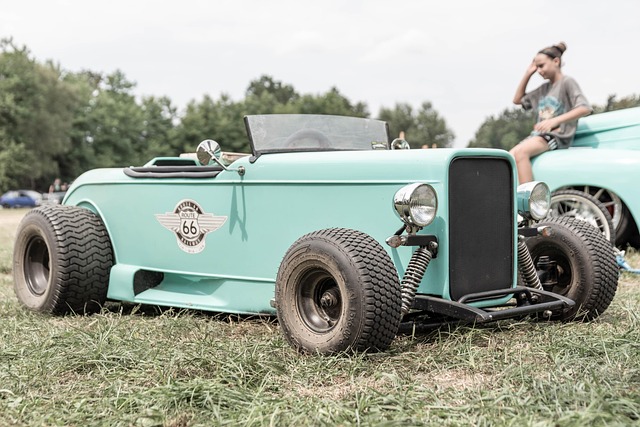
Lowrider kit cars have a rich history deeply rooted in cultural expression and automotive innovation. This phenomenon originated in the 1950s among Latino communities in Southern California, where creative car enthusiasts began modifying their vehicles to showcase lower riding heights and bespoke aesthetics. These early modifications were not merely about performance but served as a form of artistic self-expression, reflecting the vibrant culture and distinctive style of the time. Over the decades, lowrider kit cars evolved from niche customs to a recognized automotive subculture, gaining mainstream attention for their unique design philosophy.
The essence of a lowrider kit car lies in its ability to transform a standard vehicle into a bespoke creation with lowered suspension, custom body work, and often, intricate lighting systems. Enthusiasts appreciate the accessibility of these modifications, as many lowrider accessories online cater to both do-it-yourselfers and professional shops. For instance, kits allowing for 1-2 inch drops in ride height are readily available, enabling owners to fine-tune their car’s look without extensive mechanical expertise. The popularity of lowriders has also influenced insurance costs, with specialized policies now available to cover these unique vehicles.
As the tradition continues to evolve, modifying a lowrider remains a celebrated art form. Enthusiasts often take pride in crafting their cars, incorporating personalized touches that set them apart. For example, some owners choose to enhance the underbody lighting, while others opt for intricate air suspension systems that allow for precise control over ride height. This iterative process of modification, whether once or several times, has become a defining characteristic of lowrider culture, fostering a sense of community and continuous innovation within the automotive world.
Choosing the Right Parts: Select Lowriders Naturally

When building a lowrider kit car, selecting the right parts is paramount to achieving both optimal performance and the signature lowrider driving experience. One of the key considerations in this process is choosing components that complement each other seamlessly while aligning with your desired aesthetic. A natural approach involves selecting lowriders that are not just functionally sound but also aesthetically cohesive, ensuring a harmonious blend that reflects the spirit of the lowrider culture.
For instance, consider the wheels and tires as an integral part of the lowrider setup. Opting for custom lowrider wheels that feature a sleek design and matching tire profiles can significantly enhance both the car’s look and its stance. This step-by-step lowrider kit approach ensures that every element contributes to the overall aesthetic, from the polished suspension components to the carefully chosen headlights, which can be customized for an enhanced lighting experience—a popular lowrider lights customization trend.
Moreover, selecting natural materials and high-quality parts is essential. For interior trim, genuine leather or custom fabric options can elevate the cabin’s comfort and style, while using premium metals and wood finishes for exterior accents ensures durability and a distinctive look. This meticulous selection process not only guarantees a superior lowrider driving experience but also makes your vehicle stand out in any show or on the streets. By focusing on both functionality and aesthetics, you’ll create a truly remarkable lowrider that reflects your unique taste and passion for this iconic automotive subculture.
Assembly and Customization Techniques for Optimal Performance

The assembly and customization of a lowrider kit car are key to achieving optimal performance, transforming it from a standard vehicle into a unique and dynamic driving machine. When considering a lowrider purchase, whether aiming for an exhilarating lowrider driving experience, restoring a vintage model, or building from scratch, understanding the intricacies of assembly is paramount. A keen eye for detail and a strategic approach to customization will ensure your lowrider kit car not only looks the part but also handles with precision.
One of the initial steps in this process involves selecting the right components, naturally focusing on lowriders known for their performance capabilities. Look for parts that are both sturdy and lightweight, such as forged aluminum or high-strength steel, to enhance acceleration and braking without compromising structural integrity. The cheapest lowrider to buy might not always be the most cost-effective long-term solution; investing in quality components from reputable manufacturers can save money on future repairs and upgrades. Consider examples like classic Chevrolet S10s or Ford F-150s, known for their affordability and customizable frames.
Customization techniques range from basic adjustments to advanced modifications, each tailored to your desired level of performance and budget. Lowering springs and adjustable suspension systems are fundamental, allowing you to fine-tune the ride height for a smoother, lower center of gravity. Custom wheels and tires can significantly impact handling and aesthetics; wider wheels with high-performance rubber provide better cornering and traction. For advanced enthusiasts, considering engine swaps or turbocharging can elevate your lowrider into a powerful machine, though these modifications demand considerable expertise. Restoring a vintage lowrider, such as a 1960s Ford Mustang or 1970s Chevrolet Chevelle, involves meticulous research and authenticity; ensuring every detail is accurate pays homage to the original and enhances the car’s overall value.
Legal Considerations and Safety Standards for Lowrider Kit Cars

The world of lowrider kit cars is a unique and vibrant subculture within the automotive enthusiast community. As these custom vehicles gain popularity, it’s crucial to address the critical aspect of legal considerations and safety standards that come into play when building or owning one. Selecting a lowrider naturally starts with understanding the regulatory framework surrounding them.
In many regions, kit cars are subject to specific laws and regulations, especially when it comes to roadworthiness and safety. Authorities often require these vehicles to meet certain safety standards, such as those set by the National Highway Traffic Safety Administration (NHTSA) or similar bodies worldwide. This includes compliance with emission norms, structural integrity testing, and safety feature mandates. For instance, in the United States, lowrider kit cars must undergo federal motor vehicle safety standards (FMVSS) testing to ensure they meet crashworthiness and safety equipment requirements. Builders often need to modify the kit or incorporate additional components to achieve these standards, demonstrating a commitment to both legality and passenger protection.
Safety doesn’t end with legal compliance; it’s an ongoing concern for lowrider racing communities and enthusiasts. When building or customizing a lowrider, prioritizing safety features like proper seating, restraint systems, and advanced airbag designs is essential. Moreover, selecting appropriate tires for the specific kit car model can significantly impact handling, traction, and overall performance, especially during lowrider tire recommendations for various terrain and speed conditions. Luxury lowrider interiors are another aspect that requires careful consideration; while enhancing comfort, these modifications should not compromise structural integrity or safety measures. Ensuring regular maintenance and adhering to recommended service intervals are practical steps to keep these custom vehicles safe on the road.
Lowrider kit cars represent a unique blend of automotive art and customization. By understanding their history and embracing the principles of Select Lowriders naturally, enthusiasts can navigate the assembly process effectively. Mastering optimization techniques and adhering to legal standards ensures not only peak performance but also safe enjoyment on the road. This article has provided a comprehensive guide, equipping readers with the knowledge to make informed decisions, from part selection to navigating regulatory frameworks, fostering a deeper appreciation for this captivating automotive subculture.