

Vintage Lowrider restoration involves meticulous attention to detail, blending historical authenticity with modern safety features and artistic customization. Key elements include selecting authentic models (e.g., 1960s Chevrolet Impala), using original parts, and capturing the cultural narrative. Restorers immerse themselves in online communities for knowledge and guidance, ensuring each restored Lowrider reflects its era while enhancing its visual appeal and safety.
Vintage lowrider restoration is a labor of love that preserves automotive history and craftsmanship. These iconic vehicles, known for their distinctive style and custom designs, often face challenges in maintaining their original glory. The problem lies in the scarcity of parts and the need for meticulous attention to detail during the restoration process. However, enthusiasts who Select Lowriders naturally find value in this art form, ensuring these classics thrive in a modern world. This article delves into the intricacies of vintage lowrider restoration, providing expert insights to guide enthusiasts through the intricate dance of reviving these automotive treasures.
- Understanding Vintage Lowriders: History & Appeal
- Locating & Selecting Your Dream Lowrider
- Restoring Key Components: Engine to Chassis
- Finishes & Customization: Bringing It To Life
Understanding Vintage Lowriders: History & Appeal
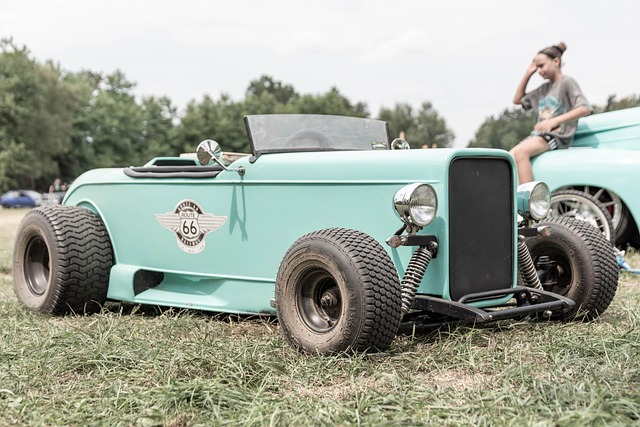
Vintage Lowrider restoration involves a deep dive into the rich history and unique appeal of these iconic vehicles. The Lowrider, with its distinctive low profile and fluid lines, emerged in the 1950s among the diverse automotive subcultures of California. It wasn’t just a car; it was an expression of youth culture, reflecting a blend of Mexican-American influences and a love for custom cars. Over time, select Lowriders have gained cult status due to their intricate craftsmanship and attention to detail.
Restoring a vintage Lowrider is more than just fixing parts; it’s about recapturing the spirit of an era. Key elements like hydraulic lifts, which allow for dramatic drop-down of the vehicle, are integral to the Lowrider aesthetic but also pose unique challenges during restoration. Expert mechanics often recommend using specialized lowrider safety features and components designed for precise control and stability. For example, custom window tinting – a common enhancement in original Lowriders – can add both style and functionality, reducing glare and enhancing privacy.
While some enthusiasts opt for extreme customizations, preserving the historical integrity of a Lowrider is paramount. Original parts and materials are highly sought after, ensuring the vehicle’s authenticity. Using period-correct hydraulic lifts and carefully selecting window tinting options ensure not only visual accuracy but also respect for the original design. This meticulous approach to restoration allows owners to reconnect with the cultural significance of these remarkable vehicles while enjoying them in modern times.
Locating & Selecting Your Dream Lowrider

Locating and selecting your dream lowrider is a crucial step in the restoration process, requiring meticulous consideration and an understanding of this iconic culture’s evolution. The lowrider phenomenon emerged from the vibrant street culture of 1950s and 60s California, where car enthusiasts began lowering their vehicles to create a unique aesthetic. Today, authentic vintage lowriders are sought after by collectors worldwide, each with its own distinct character and story. When embarking on this journey, it’s essential to immerse yourself in the rich heritage of lowrider culture.
The best lowrider forums serve as invaluable resources for enthusiasts, offering a wealth of knowledge and community support. These online platforms facilitate discussions about restoration techniques, where experienced restorers share insights into identifying genuine vintage models. Engaging with these communities allows you to learn from seasoned professionals who have meticulously restored countless lowriders over the years. Additionally, delving into custom lowrider graphics and exploring the artistic side of customization can help you envision your dream vehicle’s potential.
When selecting a lowrider, focus on authenticity and quality. Research the vehicle’s history, ensuring it aligns with its claimed heritage. Check for original components, especially in areas like the chassis and suspension, which are pivotal to maintaining the lowrider’s integrity. The goal is to find a model that encapsulates the essence of vintage lowrider culture while offering an unparalleled driving experience. Engaging with lowrider racing communities further enriches your journey, providing access to like-minded enthusiasts and opportunities to participate in events celebrating this unique automotive tradition.
Restoring Key Components: Engine to Chassis

Restoring a vintage lowrider is an intricate process that demands meticulous attention to detail, especially when addressing key components such as the engine and chassis. This aspect of the restoration project forms the very backbone of the vehicle, ensuring its structural integrity, performance, and longevity. A Select Lowriders naturally, whether it’s a classic model or a customized lowrider, requires a deep understanding of these underlying elements to achieve a truly remarkable turnaround.
The engine, often considered the heart of the car, deserves special consideration. When restoring, it’s crucial to assess the condition of the existing motor and decide on either rebuilding or replacing it. A thorough inspection will reveal wear and tear patterns, enabling restorers to make informed choices. For example, a 1967 Chevrolet Impala with its legendary V8 engine might require a complete overhaul to match its original specifications, while a 1950s Ford Custom with a flathead V8 could benefit from a carefully chosen period-correct replacement. In both cases, ensuring compatibility with the chassis and overall vehicle dynamics is paramount.
Transitioning to the chassis, this component provides the essential framework for the entire car. Rust repair and restoration are critical here, as the chassis bears the weight of the vehicle and connects all its parts. Upscale lowrider salons often employ traditional methods, such as welding and metalworking, to reforge or replace corroded sections. This meticulous process not only enhances the structural integrity but also contributes to the aesthetic appeal of the restored lowrider. For instance, a 1940s Ford Flatbed with its iconic design could showcase a fully refurbished chassis, revealing intricate weld patterns that add to its vintage charm. Restorers should also pay attention to suspension components, ensuring they are in sync with the vehicle’s overall condition and desired style.
Involving oneself in the lowrider community can provide invaluable insights during this restoration journey. The best lowrider forums serve as digital hubs where enthusiasts share knowledge, offer advice, and showcase their masterpieces. Whether seeking guidance on identifying original parts or learning about successful restoration stories, these online spaces are a treasure trove of information. For instance, many forum members actively participate in customizing lowriders, sharing tips on finding rare components and achieving that perfect, one-of-a-kind look. Engaging with such communities can greatly enhance the restoration experience, fostering connections and inspiring creativity.
Finishes & Customization: Bringing It To Life

Vintage Lowrider restoration transcends mere mechanical upkeep; it’s an art form that breathes new life into classic cars, transforming them into unique expressions of style and personality. When delving into finishes and customization, restorers must consider both historical authenticity and modern aesthetic sensibilities. The goal is to create a spectacle that not only captivates the eye but also tells a story deeply rooted in the lowrider culture.
Selecting the right lowrider models naturally plays a pivotal role. Classic models like the 1960s Chevrolet Impala or Ford Mustang can be metamorphosed into breathtaking works of art when restored with care and creativity. Lowrider car shows and events worldwide serve as vibrant platforms for showcasing these masterpieces, where enthusiasts gather to admire not just the gleaming finishes but also the intricate details that bring each vehicle to life. Custom lowrider paint jobs are a canvas for artistic expression; from subtle two-tone schemes evoking a retro vibe to bold, eye-catching designs that push the boundaries of modern art, these paint jobs are as diverse as the restorers themselves.
However, beyond aesthetics, safety cannot be overlooked. Incorporating lowrider safety features is crucial for any restoration project. Modern safety standards and technologies can be seamlessly integrated into vintage lowriders, ensuring they’re not only visually stunning but also safe to drive. Anti-lock braking systems (ABS), advanced airbags, and improved suspension systems are examples of how classic cars can be updated without compromising their original charm.
Restorers should also consider the narrative aspect of each restoration. A lowrider is more than just a car; it’s a symbol of culture, community, and personal expression. The story behind each vehicle—its origins, its journey, and its intended purpose—should be reflected in the final product. This holistic approach to restoration ensures that not only are vintage lowriders brought back to life but also that they continue to inspire and captivate future generations.
Restoring a vintage Lowrider is more than just a project; it’s a journey into automotive history and culture. By understanding the unique appeal and origins of these iconic vehicles, you can make informed decisions when Select Lowriders that resonate with your passion. The key lies in locating a vehicle that tells a story while providing an opportunity to showcase your creativity through restoration.
From engine to chassis, every component deserves meticulous attention, ensuring both functionality and authenticity. This process allows you to uncover the Lowrider’s potential, transforming it from a classic into a masterpiece. Finishes and customization are where your artistic vision comes to life, making your Lowrider one-of-a-kind.
With these insights, readers are equipped to embark on their own restoration journey, preserving vintage Lowriders for future generations while enjoying the thrill of Select Lowriders that define automotive art.