

Select Lowrider models represent a harmonious blend of automotive engineering and artistic expression. Hydraulic lifts enable precise suspension adjustments for their signature low-riding aesthetic. Originating in marginalized communities, lowriders became powerful symbols of identity and resistance. Modern interpretations combine traditional craftsmanship with advanced techniques like CNC cutting, reflecting evolving aesthetics. These vehicles showcase groundbreaking modifications, combining bold style with technical mastery. Despite higher insurance costs, Select Lowriders' cultural value continues to grow as a unique form of self-expression.
Lowriders have long been a cultural phenomenon, symbolizing style, identity, and community. Their distinctive look and unique engineering make them more than just cars; they’re works of art on wheels. However, with countless models claiming the title, identifying the very best can be challenging. This article provides an authoritative guide to the top Lowrider models ever, carefully curated to showcase excellence in design, performance, and cultural impact. We delve into the history, key features, and enduring legacy of these iconic vehicles, offering a deep dive for enthusiasts and a valuable resource for those new to this captivating world.
- Iconic Designs: Unveiling the Most Memorable Lowriders
- Engineering Mastery: The Innovations Behind Select Lowriders
- Cultural Impact: How Lowriders Shape and Reflect Identity
Iconic Designs: Unveiling the Most Memorable Lowriders
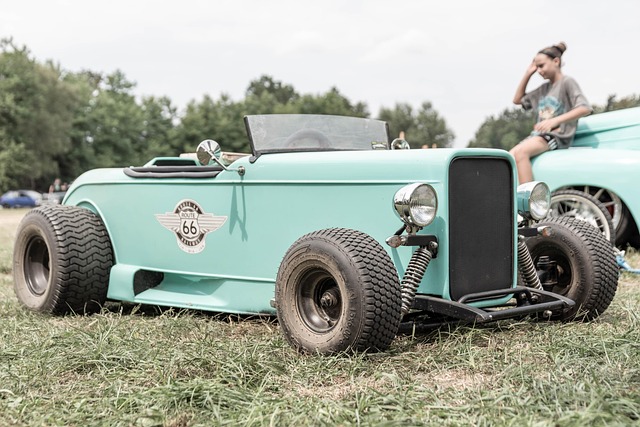
The world of lowrider cars is a captivating fusion of automotive art and engineering excellence, where each vehicle tells a unique story through its iconic design. Among this diverse fleet, certain models stand out as timeless classics, leaving an indelible mark on the culture and captivating enthusiasts worldwide. This exploration delves into the heart of these remarkable creations, revealing why select Lowriders have become instantly recognizable and beloved.
Hydraulic lifts play a pivotal role in achieving the signature low-riding aesthetic, allowing these cars to glide effortlessly across the road. Masterful artisans carefully calibrate each suspension adjustment, ensuring a seamless blend of style and functionality. The iconic 1970s Cadillac Fleetwood is a prime example, where its opulent interior and sleek lines, enhanced by hydroboost systems, set a standard for luxury lowrider transformations. This era’s focus on craftsmanship and opulence laid the foundation for modern interpretations, inspiring creators to push boundaries and craft even more remarkable vehicles.
Consider the 1990s Chevrolet Impala, reborn as a masterpiece of custom automotive design. Its bold, aggressive stance, complemented by meticulous interior refinements, showcases the evolution of lowrider aesthetics. Today, enthusiasts continue this legacy, meticulously crafting their own unique interpretations using advanced techniques like precision CNC cutting and state-of-the-art hydroboost for lowriders to achieve flawless control and stability. This blend of traditional craftsmanship and modern technology ensures that the lowrider phenomenon remains vibrant, allowing creators to bring their most imaginative concepts to life.
Engineering Mastery: The Innovations Behind Select Lowriders

The engineering prowess behind select lowrider models has evolved significantly over the years, transforming them from simple custom cars to true works of art on wheels. To understand the innovations that define these vehicles, let’s delve into the key components and design choices that set them apart. One prominent aspect is the intricate suspension systems, meticulously calibrated to achieve the signature low-riding aesthetic. This often involves sophisticated air or nitrogen-based suspension setups, allowing for precise control over ride height, a crucial element in the art of building a lowrider.
Furthermore, select lowriders showcase innovative use of custom graphics and paint jobs, with detailed designs that extend beyond traditional car wraps. These graphics, carefully planned and executed, not only enhance the visual appeal but also contribute to the overall theme and story the vehicle tells. For instance, iconic lowrider cars for sale in recent years have featured vibrant, stylized art that combines cultural elements, reflecting the diverse influences behind this subculture.
The process of how to build a lowrider involves a deep understanding of both traditional automotive engineering and artistic vision. Customizers must consider not just the mechanical aspects but also the aesthetics, ensuring every curve and detail aligns with the desired look. This holistic approach has led to groundbreaking modifications, such as custom frames built from scratch to accommodate extreme wheelbases and tires, pushing the boundaries of what a car can achieve while maintaining drivability.
In conclusion, select lowriders stand out not just for their bold style but also for the technical mastery behind them. From advanced suspension systems to eye-catching graphics, these vehicles represent the culmination of creativity and engineering skill. Whether one is considering purchasing a lowrider car or exploring custom designs, understanding these innovations provides valuable insight into this unique and ever-evolving automotive culture.
Cultural Impact: How Lowriders Shape and Reflect Identity

Lowrider culture has left an indelible mark on automotive aesthetics and identity expression, with select models becoming iconic symbols of this unique subculture. The impact of these vehicles extends beyond their distinctive style, deeply reflecting and shaping the identities of their owners and communities. This section delves into the cultural significance of lowriders and how they’ve evolved as a form of artistic self-expression.
The lowrider phenomenon emerged in the 1950s and ’60s within the African American and Mexican American communities, particularly in California. It was not merely about lowering car suspension; it became a creative outlet, a step by step process to transform vehicles into living art pieces. Customization involved not just mechanical adjustments but also meticulous detail work, from intricate paint jobs inspired by cultural motifs to the strategic placement of accessories. Over time, specific Lowrider kits with adjustable suspensions and wheel spacers became readily available, allowing enthusiasts to achieve that signature low, sleek look. This accessibility contributed to the rapid growth of the movement, fostering a sense of community among owners who shared a passion for both their cars and cultural heritage.
The impact of these custom lowriders extends beyond the streets. They have become powerful symbols of identity, pride, and resistance. In many ways, they reflect the resilience and creativity inherent in marginalized communities, allowing individuals to reclaim and redefine car culture. The insurance costs associated with lowriders—which can be 1-3 times higher than standard models due to their unique features—testify to their growing prominence and cultural value. Today, lowriders continue to evolve, influencing mainstream automotive trends and serving as a testament to the enduring power of self-expression through custom vehicles. This phenomenon is not merely about mechanics; it’s a cultural crucible where art, identity, and community intertwine.
The journey through the top lowrider models ever has illuminated several key insights. Iconic designs stand as testaments to the creative potential of automotive art, reflecting cultural identity and personal expression. Select Lowriders have not only revolutionized the landscape of vehicle design but also become symbols of community and heritage. In terms of engineering mastery, these vehicles showcase innovative adaptations that challenge conventional norms. By delving into this article, readers have gained a comprehensive understanding of how lowriders shape culture and inspire innovation, offering practical insights for appreciating and even contributing to this dynamic automotive realm.