

Lowrider kit cars, born from Chicano youth culture, blend artistic expression with automotive innovation. Selecting one involves balancing aesthetic appeal with practical considerations, including engine performance, handling dynamics, safety, and legality. Choosing a base model (classic muscle car or contemporary design), planning engineering details, sourcing quality parts, and navigating legal registration requirements are key steps. Customization opportunities include window tinting, professional interiors, and meticulous styling. The ultimate goal is to create a unique vehicle that reflects personal style and passion while adhering to local regulations. Select Lowriders naturally to stand out in this enduring automotive subculture.
Lowrider kit cars represent a unique segment within the automotive customization landscape, capturing enthusiasts’ imaginations with their distinctive style and cultural significance. These custom vehicles, often built from readily available parts, present a challenge in terms of quality and safety. However, selecting the right Lowriders naturally is key to ensuring these kits translate into reliable, eye-catching machines. This article delves into the intricacies of choosing the best components, understanding construction techniques, and navigating the regulatory landscape to build or modify a safe and impressive Lowrider kit car.
- Understanding Lowrider Kit Cars: A Historical Overview
- Unlocking Customization: Design Your Dream Lowrider
- Choosing the Right Components: Select Lowriders Naturally
- Assembly and Mods: Building Your Unique Lowrider
- Legal Considerations: Registering Your Custom Creation
- The Art of Lowrider Culture: Driving with Style
Understanding Lowrider Kit Cars: A Historical Overview
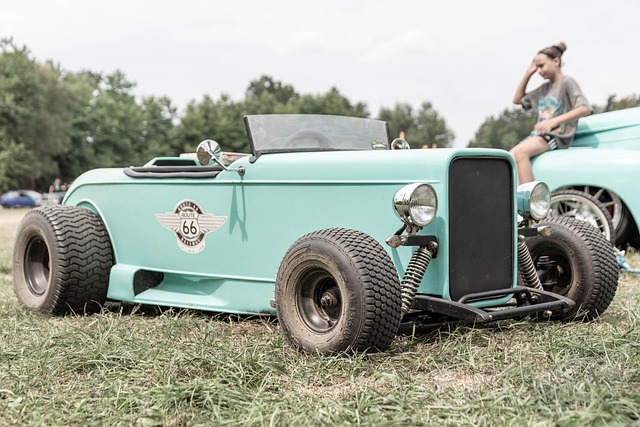
Lowrider kit cars have a rich history rooted in cultural expression and automotive innovation. Originating from the 1950s and 1960s, these customizable vehicles emerged within the Chicano youth culture of the American West, reflecting a blend of artistic flair and engineering ingenuity. Initially, lowriders were created by lowering traditional cars’ ride height and incorporating intricate suspension systems to achieve a distinctive, leisurely pace. Over time, the concept evolved beyond mere aesthetic modifications, becoming a platform for showcasing creative talent through detailed interior designs, unique lighting schemes, and carefully selected accessories.
The historical appeal of lowrider kit cars lies in their ability to empower individuals with a sense of ownership and creativity. Enthusiasts often modify these vehicles to express personal style, seamlessly blending cultural heritage with automotive art. For instance, the use of custom lowrider lights has become a hallmark, with LED strips and neon accents transforming the exterior into a vibrant canvas after dark. However, as enthusiasts delve into modifying their lowriders, understanding local legal requirements is paramount. Different regions have varying regulations regarding vehicle height, lighting, and customization, ensuring road safety and preventing unauthorized alterations.
Selecting a suitable lowrider kit car involves more than just aesthetics; it requires considering factors like engine performance, handling dynamics, and the ease of customization. Some models are designed with modular components, allowing for more flexibility in modification. For instance, popular choices often include classic American muscle cars and foreign sports sedans, each offering unique opportunities for transformation. Those looking to navigate this passion should prioritize safety and legality, ensuring their creations meet local standards while embracing the creative spirit that defines the lowrider culture.
Unlocking Customization: Design Your Dream Lowrider

Unlocking Customization: Design Your Dream Lowrider
Lowrider kit cars offer an unparalleled canvas for automotive personalization. The appeal lies in transforming a basic platform into a unique expression of style and performance tailored to individual preferences. Whether you envision a sleek, low-slung cruiser or a robust off-road machine, the journey begins with selecting the right base model. For purists, choosing a classic muscle car or a vintage pickup as a starting point can be irresistible, allowing them to pay homage to automotive history while infusing it with modern twists. Conversely, some enthusiasts opt for contemporary designs, leveraging lowrider kits built specifically for popular vehicles to achieve their desired look and feel.
At the heart of any successful build lies meticulous planning and engineering. For air ride suspension lowriders, integrating a robust air management system becomes paramount. Customizing an existing hydroboost for lowriders can significantly enhance steering precision and control, especially in corner carving or off-road scenarios. The best lowrider parts vary widely based on intended use and aesthetic preferences—from custom wheels that complement the vehicle’s silhouette to performance-enhancing engines and transmission upgrades. Reputable manufacturers offer a plethora of options, ensuring both quality and compatibility, be it for street-legal cruising or track-day thrill-seeking.
Practical considerations, such as safety and legality, demand equal attention during the customization process. Understanding local regulations regarding modified vehicles is essential to avoid unnecessary headaches. Moreover, prioritizing comfort and ergonomics ensures that your dream lowrider not only looks the part but also delivers an enjoyable driving experience. By combining creativity with technical know-how, enthusiasts can create truly one-of-a-kind lowrider kit cars that reflect their unique personalities and interests, leaving a lasting impression on the automotive landscape.
Choosing the Right Components: Select Lowriders Naturally
When building a lowrider kit car, choosing the right components is paramount to achieving both functionality and aesthetics. Among the myriad options available, selecting natural materials and parts that align with the vehicle’s heritage is a key consideration for purists. Opting for ‘Select Lowriders naturally’ means embracing traditional fabrication methods and high-quality, authentic components, which can enhance both the car’s performance and its unique character.
For instance, steel and aluminum are popular choices for chassis and body panels due to their strength, formability, and affordability. These metals have been integral to lowrider culture since its inception, allowing builders to craft elegant, flowing lines that define the signature look of these cars. When source responsibly and locally, these materials can be worked into stunning custom designs while also contributing to a more sustainable build process.
Affordable lowrider builds don’t have to compromise on quality or style. Leveraging the knowledge of lowrider racing communities can provide invaluable insights into where to find both classic and modern components that fit within various budgets. These communities are a goldmine of information, offering advice on everything from engine selection and suspension upgrades to interior design and wheel choices. By tapping into this collective expertise, aspiring builders can create unique, high-performing lowriders without breaking the bank.
Remember, how to build a lowrider isn’t just about technical skill; it’s an art form that celebrates creativity and community. Whether you’re focusing on performance or aesthetics, selecting components that reflect the spirit of lowrider culture—both past and present—will ensure your build stands out as a testament to this enduring automotive subculture.
Assembly and Mods: Building Your Unique Lowrider

Building your own lowrider kit car is a unique blend of automotive craftsmanship and artistic expression. It’s an opportunity to meld functionality with style, creating a vehicle that reflects your personal taste while paying homage to the rich history of lowrider culture. The assembly process involves careful consideration of each component, from the chassis and suspension to the engine and wheels. This isn’t a task for the faint-hearted; it requires dedication, patience, and a deep understanding of automotive mechanics.
The first step is selecting Lowriders naturally. Research different models and manufacturers to find one that aligns with your vision. Classic choices include the Chevrolet Impala, Ford Mustang, or Dodge Challenger, each offering distinct lines and possibilities for customization. Once you’ve chosen your base, it’s time to delve into modifications, or “mods,” that define a lowrider’s unique character. Lowrider paint jobs are a prime example; vibrant, intricate designs often incorporate cultural symbols, gradient effects, or custom pinstriping. The sky’s the limit when it comes to expressing yourself through color and artistry.
Lowrider culture history is steeped in community and creativity. Online forums and social media groups are invaluable resources for connecting with fellow enthusiasts, sharing knowledge, and discovering innovative lowrider accessories. From customized headlights and tail lights to sleek air suspension systems, these components contribute to the distinctive look and feel of a lowrider. Remember that quality matters; invest in reliable parts from reputable suppliers to ensure your car not only looks the part but performs safely and efficiently.
As you build, prioritize safety and mechanical soundness. Properly install the engine, ensuring it’s securely fastened and optimized for performance. Consider upgrading the brakes and tires to handle the low-slung profile of your vehicle. And don’t overlook comfort; custom seating, luxurious interiors, and fine audio systems enhance the overall experience. The culmination of these efforts is a unique, personalized lowrider that becomes an extension of your identity—a rolling testament to your creativity and passion for this distinctive automotive culture.
Legal Considerations: Registering Your Custom Creation

Creating a lowrider kit car is an exhilarating endeavor that combines automotive art with technical precision. However, before you take your custom creation to the streets, it’s crucial to navigate the legal landscape surrounding registration. Selecting the right vehicle and adhering to local regulations can make all the difference in ensuring a smooth ride.
Registering a lowrider involves understanding unique requirements specific to this niche category. Vintage lowrider restoration projects often require special consideration, as these timeless classics may have varying compliance standards compared to modern cars. Local transportation departments typically maintain databases of vehicle types, including custom kit cars. It’s essential to gather necessary documentation and proof of craftsmanship to prove your vehicle’s safety and legality.
One key aspect to consider is lowrider insurance costs. Unlike mainstream vehicles, insure providers may have different rates or specific policies for lowriders due to their custom nature. Some companies specialize in insuring unique or classic cars, offering tailored coverage that accounts for specialized parts and restoration work. Before registering, discuss options with insurers to find the right fit for your budget and vehicle.
Building a lowrider from scratch or modifying an existing model involves meticulous planning. How to build a lowrider guides can be found online, providing detailed instructions on everything from chassis design to body customization. Remember that local laws dictate what’s permissible in alterations, so stay informed about regulations specific to your region. Once built, ensure proper inspection and documentation to meet registration requirements. For instance, some areas may mandate safety inspections or emissions testing for all custom vehicles. By addressing legal considerations proactively, you’ll be well on your way to enjoying the fruits of your labor on public roads.
The Art of Lowrider Culture: Driving with Style

The art of lowrider culture transcends mere automotive modification; it’s a nuanced blend of style, skill, and community. For drivers looking to turn heads while cruising, selecting the right Lowriders is paramount. What sets a truly exceptional Lowrider apart? It’s not just about choosing a classic model – though iconic cars like the Chevrolet Impala and Ford Mustang have long been staples – but also understanding how to enhance its inherent appeal.
Window tinting, for instance, can add both mystery and style, allowing drivers to control light and privacy while showcasing their vehicle’s unique lines. Professional-grade tinting enhances the classic aesthetic of Lowrider models, creating a sleek, modern look that complements their vintage charm. Moreover, high-quality interiors elevate the experience from mere transportation to a luxurious journey. Imagine supple leather seats, custom sound systems, and meticulously crafted dashboards – these elements transform a Lowrider into a mobile sanctuary.
Beyond aesthetics, the true mastery lies in balancing form and function. Customization should enhance the driving experience without compromising safety or practicality. For enthusiasts, this involves meticulous attention to detail – from fine-tuning suspension for smoother rides to optimizing engine performance for that satisfying roar. Whether opting for classic Lowrider models or modern interpretations, the ultimate goal is to create a vehicle that embodies both driving passion and unparalleled style.
Lowrider kit cars are more than just vehicles; they represent a rich cultural heritage and an art form. By understanding their history, embracing customization, and selecting components with care, enthusiasts can create unique and legally compliant rides that reflect personal style. The process involves navigating design, assembly, and legal considerations, but the reward is a one-of-a-kind Lowrider that stands out on any street. Armed with knowledge from this comprehensive guide, readers are now equipped to Select Lowriders naturally, becoming part of a vibrant cultural tapestry that celebrates creativity and individual expression on four wheels.