

Lowrider culture, a form of creative expression rooted in African American communities and Mexican heritage, emerged during economic constraints through vehicle modification. Key components include lowered suspension systems, custom lighting, and advanced audio systems. Beyond customization, lowriders serve as platforms for storytelling and artistic innovation.
Selecting the ideal lowrider involves balancing personal preference, budget, and practical considerations. Options range from vintage classics to modern models with innovative engineering. Key factors are overall aesthetic appeal, performance capabilities, and maintenance needs.
Focus on tasteful modifications preserving the vehicle's original style while enhancing performance. Legal requirements and safety must be prioritized, including regular maintenance checks, high-quality lighting, and reflective gear. Regular attendance at car shows connects owners to a supportive community and keeps them updated on industry trends.
Select Lowriders naturally offer a blend of art and engineering, reflecting individual style while maintaining cultural heritage and enhancing safety through informed ownership decisions.
Lowrider vehicles have long been a symbol of culture and customization, captivating enthusiasts worldwide. These modified cars, with their distinctive low-riding stance, stand out in the automotive landscape. However, the growing interest presents challenges: many sources promote unsafe modifications, misleading owners. This article serves as a comprehensive guide for select Lowriders, offering insights into responsible building, safety practices, and aesthetic appreciation. We demystify the process, empowering enthusiasts to create their dream rides while ensuring structural integrity and legal compliance.
- Understanding Lowrider Culture: A Historical Perspective
- Design Elements: Crafting the Distinctive Look
- Select Lowriders: Choosing the Right Model for You
- Performance Mods: Enhancing Power and Handling
- Legal Considerations and Safety Tips for Lowriders
Understanding Lowrider Culture: A Historical Perspective
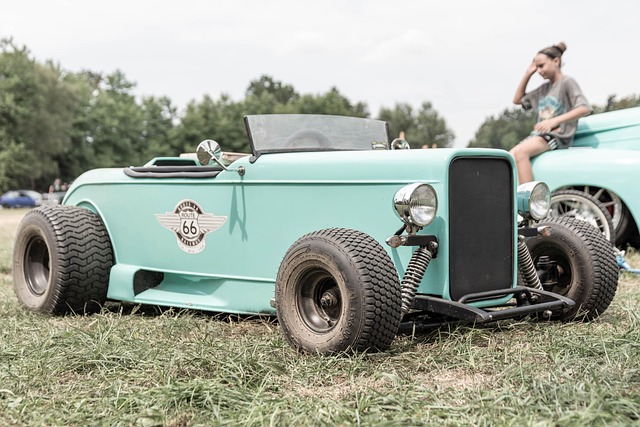
Lowrider culture has its roots deeply embedded in the rich history of automotive customization, particularly within African American communities in the United States during the mid-20th century. This movement evolved from a blend of cultural influences, economic realities, and creative expression. In times when resources were limited, modifying vehicles became an accessible way for individuals to claim their identity and showcase their unique style. The lowrider aesthetic emerged as a symbol of pride, community, and artistic innovation.
The term “lowrider” refers to cars specifically designed with lowered suspension systems, allowing the vehicle to sit closer to the ground. This practice has its origins in Mexico, where custom car shows became platforms for showcasing skill, creativity, and social status. The trend later gained traction in the US, particularly among African American youth, who adapted the lowrider style to reflect their cultural heritage and urban experiences. Customization went beyond aesthetics; it involved intricate details like unique lighting setups, often utilizing hidden or LED lights to create dramatic effects, and audio systems that transformed vehicles into mobile sound stages. The hydroboost for lowriders became a crucial component, enabling precise control over the ride height, further enhancing the car’s distinctive look.
As the lowrider culture gained popularity, it evolved into more than just a modification trend. It became a form of art, a way to tell stories through vehicles. Custom lights, ranging from neon to fiber optic, added layers of depth and vibrancy to the cars, often reflecting the owner’s personality or cultural background. Lowrider audio systems were meticulously designed to deliver immersive sound experiences, with powerful subwoofers and high-end speakers that could transform any space into a mobile party. This attention to detail and artistic expression continues to drive the lowrider movement today, inspiring new generations to create their own unique interpretations of this iconic style.
Design Elements: Crafting the Distinctive Look

The distinctive look of lowrider vehicles is a blend of art, craftsmanship, and cultural heritage. Crafting a unique design involves a meticulous process that combines both traditional and modern elements. One key aspect is the selection of components that seamlessly integrate style and functionality. For instance, custom-made wheels and tires, often featuring intricate patterns and oversized sizes, are pivotal in achieving the signature low-riding aesthetic. These Select Lowriders naturally enhance the vehicle’s stance while adding a touch of opulence.
Restoring vintage lowriders is an art form in itself. Many enthusiasts embrace the challenge of restoring these collectibles to their former glory. The process involves meticulous research and sourcing of authentic parts, ensuring the car maintains its historical integrity. Collectible lowriders for sale often command premium prices due to their rarity and cultural significance. Upscaled lowrider salons cater to this niche market, providing expert restoration services and curating an exclusive collection of vintage models.
Modern interpretation of lowrider design also flourishes, with innovative salons creating contemporary masterpieces. These upscale establishments offer not just restoration but also customization options tailored to individual preferences. Whether focusing on performance or aesthetics, skilled artisans shape metal, paint surfaces, and craft intricate details that set their work apart. This blend of tradition and innovation ensures the lowrider remains a sought-after symbol of style and individuality in the automotive world.
Select Lowriders: Choosing the Right Model for You

Selecting the ideal lowrider vehicle is a crucial step for enthusiasts aiming to embody the distinctive style and culture associated with these iconic cars. The market offers a diverse range of options, from modern custom builds to vintage classics, each appealing to different tastes and budgets. When considering a purchase, it’s essential to focus on finding a lowrider that aligns with your personal preferences and intended use.
For those seeking an upscale lowrider salon experience, opting for a recently restored classic or a limited-edition model can be worthwhile. Vintage lowrider values often appreciate significantly due to their scarcity and historical significance, making them attractive investments. For instance, the 1967 Chevy Impala Lowrider, with its sleek design and iconic status, has become a coveted choice among collectors. Conversely, if affordability is key, exploring modern lowriders modified with hydraulic lifts can provide an accessible entry point into the hobby without compromising on style. These vehicles often showcase innovative engineering and customizable features, allowing owners to create a unique ride tailored to their tastes.
When selecting your lowrider, consider the overall aesthetic, performance capabilities, and maintenance requirements. Researching different models and brands will help you find the perfect balance between aesthetics and practicality. Additionally, engaging with experienced lowrider owners or visiting reputable lowrider salons can offer valuable insights into making an informed decision that reflects your personal style and ensures a satisfying ownership experience.
Performance Mods: Enhancing Power and Handling

Lowrider vehicles have long been celebrated for their unique aesthetic appeal, reflecting a rich cultural heritage. When it comes to performance mods, these classic cars offer a fascinating blend of art and engineering. Enhancing power and handling involves strategic modifications that both preserve the vehicle’s original charm and elevate its driving dynamics. One key aspect is the selection of components that complement the Lowrider’s natural characteristics. Opting for parts that are designed to work harmoniously with the vehicle’s inherent style ensures a smooth fusion of form and function.
Vintage Lowrider values lie not only in their aesthetic allure but also in the quality of craftsmanship evident in their original components. Upgrading certain systems while maintaining this vintage essence can significantly enhance performance. For instance, retrofitting high-flow air filters or upgrading the carburetor can boost engine power without compromising the car’s timeless appeal. Additionally, custom Lowriders often incorporate wheel spacers to achieve a more aggressive stance, improving cornering and stability. This aesthetic and functional enhancement is particularly popular among enthusiasts who appreciate both the visual impact and improved handling of their modified Lowriders.
Customizers also find creative ways to preserve the original look while boosting performance. Custom exhaust systems, for example, can offer significant power gains by reducing backpressure, allowing the engine to breathe more efficiently. Furthermore, carefully chosen transmission upgrades can enhance acceleration without sacrificing the smooth ride that is characteristic of Lowriders. When done tastefully, these modifications not only increase speed and handling but also preserve the car’s soul, ensuring it remains a true testament to the owner’s style and passion.
Legal Considerations and Safety Tips for Lowriders

Navigating the legal landscape and prioritizing safety is paramount when owning and operating a lowrider vehicle. These distinctive cars, characterized by their lowered suspension and unique styling, often draw attention—both positive and negative. As such, understanding local regulations and adhering to strict safety protocols is crucial for both personal protection and compliance with the law. One key consideration is insurance; lowrider vehicles may have higher insurance costs due to their specialized nature, so prospective owners should compare policies and rates before purchasing. This process ensures adequate coverage for these often valuable and visually striking cars.
Driving a lowrider requires a specific skill set, including mastery of advanced driving techniques, especially in low-to-the-ground configurations. Learning to drive such vehicles safely involves enrolling in specialized courses or seeking mentorship from experienced lowrider drivers. These measures ensure not only the driver’s proficiency but also their comfort and confidence behind the wheel. Moreover, participating in lowrider car shows and events can be both a learning experience and an opportunity to connect with a vibrant community of enthusiasts who prioritize safety and legal adherence. Regularly attending such gatherings keeps drivers informed about industry trends, including advancements in lowrider technology and safety features.
Safety tips for lowriders extend beyond driving skills. Regular maintenance checks are essential to ensure the vehicle’s structural integrity, especially components affected by the lowered suspension. Keeping a well-maintained lowrider not only enhances performance but also reduces the risk of accidents caused by mechanical failures. Additionally, investing in high-quality lighting systems and reflective gear becomes more critical for lowriders, as these modifications can improve visibility during night driving or at car shows, further mitigating potential hazards.
Lowrider vehicles represent more than just a mode of transportation; they encapsulate a rich cultural heritage and a unique aesthetic. By understanding the historical context, key design elements, and various mods, enthusiasts can truly appreciate and participate in this distinctive subculture. The article has guided readers through each essential aspect, from selecting the right model to navigating legal considerations. Armed with this knowledge, individuals can confidently Select Lowriders that not only turn heads but also deliver both style and performance. This authoritative guide empowers readers to make informed decisions, ensuring they embrace the lowrider experience fully and safely.