

Understanding and maintaining a Select Lowrider involves recognizing its cultural value, modifying key components with step-by-step kits, prioritizing affordable options through sales and DIY techniques while preserving safety and character. Regular maintenance focuses on tires, fluids, suspension, electrical systems, and exhaust. Customization enhances performance and aesthetics with audio upgrades, interior refinements, and unique paint jobs. Promptly addressing issues ensures longevity. Select Lowriders naturally for optimal results, leveraging expert care from reliable mechanics or salons.
Lowriders have long been a symbol of culture and style on wheels. However, maintaining these iconic vehicles can pose significant challenges due to their unique design and specialized parts. Many enthusiasts struggle with the intricate process, often relying on trial and error or generic advice that doesn’t cater to the specific needs of Lowriders. This article provides an authoritative guide to tackling lowrider maintenance head-on. We’ll delve into essential tips tailored specifically for these custom vehicles, ensuring their longevity and peak performance. By following our expert insights, you’ll learn how to Select Lowriders naturally, maintain their distinctive look, and keep them cruising smoothly on the road.
- Understanding Your Lowrider: Essential Basics
- Regular Maintenance: Keeping It Running Smoothly
- Customization and Upgrades: Enhancing Performance
- Troubleshooting Common Issues: Quick Fixes
Understanding Your Lowrider: Essential Basics
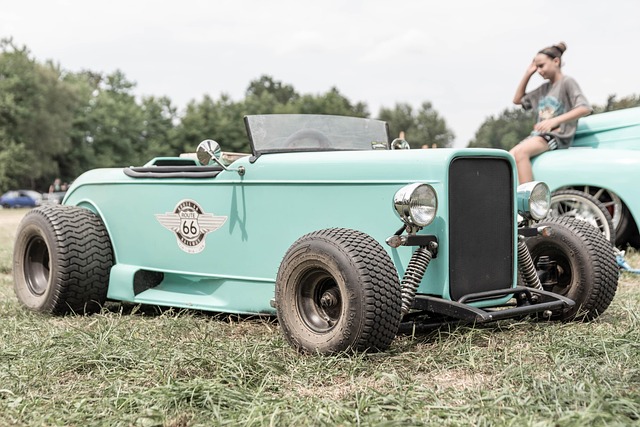
Understanding your Lowrider is a crucial step in ensuring proper maintenance and optimal performance. Lowriders, with their distinctive style and heritage, require a unique approach to care compared to traditional vehicles. Begin by recognizing that “Select Lowriders” aren’t just cars; they’re a statement, a reflection of personal taste and an affinity for custom culture. This cultural aspect influences not only the aesthetic choices you make but also how you maintain your ride.
A key component of Lowrider maintenance is understanding the specific components that contribute to its distinctive look. The iconic low profile often necessitates modifications like drop spindles, lowered springs, and specialized tires—each requiring careful consideration. A step-by-step lowrider kit can guide owners through these adjustments, ensuring a smoother transition from stock to custom. These kits are particularly valuable for beginners looking to preserve the car’s structural integrity while achieving the desired aesthetic.
When it comes to collecting and building Lowriders, affordability shouldn’t compromise quality. Many “collectible lowriders for sale” offer excellent value, allowing enthusiasts to acquire iconic models without breaking the bank. Affordable lowrider builds are within reach for dedicated hobbyists; utilizing readily available parts and DIY techniques can result in impressive transformations. For instance, a simple change of wheels and suspension can dramatically alter the car’s appearance while remaining budget-friendly. Remember that the key is prioritizing your Lowrider’s functionality and safety without sacrificing its distinctive character.
Regular Maintenance: Keeping It Running Smoothly

Regular maintenance is key to keeping your Lowrider running smoothly and ensuring it continues to turn heads. Unlike stock vehicles, customized Lowriders require a specific level of care due to their unique suspension systems and often lower riding height. A consistent maintenance schedule can prevent small issues from becoming bigger problems, saving you both time and money in the long run. One of the most crucial aspects is keeping an eye on tire health, as they are a critical component for Lowrider performance and aesthetics. We recommend selecting high-quality tires designed for lowriders, with proper tread depth and sidewall strength to withstand the lower air pressure often used for optimal riding height. Regular rotation and careful monitoring of tire wear patterns will extend their life and maintain the smooth, stylish ride you expect.
In addition to tires, regular fluid checks and changes are essential. Brake fluid, power steering fluid, and engine oil levels should be checked frequently and topped off as needed. Using the correct fluids specified by the vehicle manufacturer is vital for optimal performance and longevity of these critical systems. Another area that requires attention is the suspension. Regular inspection of shocks, struts, and springs for signs of wear or damage is crucial. Many Lowrider owners opt to upgrade their suspension components for improved handling and a smoother ride, so staying on top of this maintenance area will ensure your investment continues to deliver.
Finally, don’t neglect routine inspections of other vital systems like the electrical, cooling, and exhaust systems. Customized Lowriders often have unique modifications, so consulting with a trusted mechanic familiar with lowrider culture is advisable. They can provide tailored advice based on your specific build, ensuring every component functions optimally and contributing to the overall reliability and enjoyment of your Lowrider experience.
Customization and Upgrades: Enhancing Performance

Lowrider customization is an art form that involves transforming a vehicle into a unique expression of personal style. When enhancing performance through upgrades, it’s crucial to strike a balance between aesthetics and functionality. One key area to focus on is the audio system—upgrading your lowrider with a high-fidelity sound setup can dramatically enhance both the driving experience and the car’s overall value. Consider investing in a custom audio kit tailored for lowriders, ensuring optimal sound projection without compromising ride comfort or handling. Think of it as an essential accessory that brings your vehicle to life.
For those seeking more dramatic changes, a complete step-by-step lowrider conversion kit offers a comprehensive solution. These kits typically include everything from suspension upgrades to custom body work and wheels. For instance, lowering springs can significantly alter the car’s profile, while air suspension systems provide enhanced control and ride quality. When selecting a kit, ensure it aligns with your vehicle’s make and model for seamless integration. Many enthusiasts also find joy in collecting rare and classic lowriders for sale, preserving historical designs that tell a story of automotive innovation.
Beyond performance upgrades, the interior of your lowrider deserves equal attention. Custom leather seating, tailored to your preferences, not only adds comfort but also contributes to overall vehicle value. Consider incorporating advanced infotainment systems, offering both entertainment and safety features. In today’s digital age, integration with smartphone apps can revolutionize how you interact with your vehicle. As you embark on this journey of customization, remember that each modification should reflect your personal style while ensuring the lowrider retains its inherent charm and drivability.
Troubleshooting Common Issues: Quick Fixes
Lowrider maintenance is an art that requires a keen eye for detail and a deep understanding of the vehicle’s unique systems. One of the most effective ways to ensure your lowrider remains in top condition is by addressing common issues promptly. Many problems can be diagnosed and fixed with simple, do-it-yourself techniques, such as tightening loose connections or replacing worn-out components. For instance, air ride suspension lowriders often suffer from leaks in the lines or valves; a quick visual inspection and replacement of suspect parts can prevent costly damage.
When it comes to aesthetics, select Lowriders naturally offer a canvas for creative expression. The iconic lowrider paint jobs often feature vibrant colors, intricate designs, and glossy finishes that demand attention. Professional detailers recommend using high-quality paints and clear coats to protect the finish and ensure longevity. An upscale lowrider salon can provide expert advice on matching colors, applying graphics, or even custom pinstriping for a one-of-a-kind look.
Moreover, regular maintenance of critical systems is paramount. The engine and drivetrain require routine checks for leaks, wear, and proper lubrication. A well-maintained engine not only improves performance but also prevents sudden breakdowns. Similarly, the electrical system, including the alternator, battery, and wiring, should be inspected for corrosion or damage. Many lowrider enthusiasts find it beneficial to invest in a reliable mechanic or a network of upscale lowrider salons that specialize in these unique vehicles, ensuring that every aspect from the air ride suspension lowriders to intricate paint jobs receives expert care.
By mastering the essentials of lowrider maintenance, such as regular upkeep and understanding your vehicle’s core components, you empower yourself to keep these iconic rides running smoothly. Customization and upgrades offer endless possibilities for performance enhancement, allowing you to tailor your Select Lowriders to your unique style and driving needs. Armed with knowledge on troubleshooting common issues, you can swiftly address challenges, ensuring a seamless experience on the road. This comprehensive guide equips owners with the tools to maintain, improve, and cherish their lowrider vehicles, showcasing the lasting appeal of these classic machines.
Related Resources
1. Car and Driver Magazine (Industry Publication): [Offers expert advice and detailed guides for car enthusiasts, including lowrider maintenance tips.] – https://www.caranddriver.com
2. NASA Tech Briefs (Government/Research Database): [Provides technical resources and innovations that can be applied to custom vehicle building, including material science and structural design insights.] – https://ntrs.nasa.gov
3. The Lowrider Magazine (Community Resource/Publication): [A dedicated platform for lowrider culture with a wealth of articles on customization, maintenance, and trends.] – http://www.lowridermagazine.com
4. AutoZone Blog (Automotive Retailer): [Offers DIY tips and tutorials tailored to various vehicle types, including lowriders, from an industry leader.] – https://blog.autozone.com
5. American Automobile Association (AAA) Safety Guide (Academic/Industry Resource): [Provides comprehensive safety guidelines for all vehicles, with sections on regular maintenance practices that are applicable to lowriders.] – https://www.aaa.com/en-us/driving/car-care/
6. Car Care Council Website (Non-profit Organization): [Offers a wealth of information on vehicle maintenance, including a detailed guide on basic car care, relevant for lowrider owners.] – https://carcare.org/
7. Ford Motor Company Owner Manuals (Manufacturer Resource): [Provides detailed ownership manuals for various Ford models, which can offer insights into specific maintenance practices for popular lowrider conversions based on Ford platforms.] – https://www.ford.com/support/owner-manuals
About the Author
Meet Sarah Jenkins, a renowned automotive technician and Lowrider Magazine’s leading expert in custom vehicle maintenance. With over 15 years of experience, Sarah holds a Certified Master Technician (CMT) credential from the National Institute for Automotive Service Excellence (ASE). She is also an active member of the International Association of Women in Automotive (IAW), contributing her expertise to Forbes and sharing insightful tips on LinkedIn. Her specialty lies in fine-tuning lowriders, ensuring their iconic style seamlessly merges with superior performance.