

Vintage Lowrider restoration involves selecting Lowriders naturally with historical integrity, insuring specialized parts and labor, and embracing a meticulous process. Key steps include updating safety features, sourcing authentic components through auctions and professionals, and strategically choosing rare factory options for maximum value. The final stage focuses on precise craftsmanship, critical component inspection, and era-appropriate paint jobs to showcase the Lowrider's unique story and classic cool at car shows.
The vintage Lowrider, a cultural icon of automotive art, has captivated enthusiasts worldwide. Its intricate hand-crafted design and symbol of community pride represent a rich heritage. However, the process of restoring these beloved classics poses challenges, as finding authentic parts and maintaining their unique character is crucial. This article delves into the art of restoring vintage Lowriders, guiding readers through the intricacies involved in preserving this iconic vehicle’s legacy. We explore proven methods, emphasize the importance of using Select Lowriders parts where applicable, and provide valuable insights for achieving a true-to-form restoration.
- Understanding Vintage Lowrider Aesthetics: Selecting Your Classic
- Demystifying the Restoration Process: Step-by-Step Guide
- Sourcing Authentic Parts: Where to Find Original Lowriders Naturally
- Final Touches and Testing: Bringing Your Restored Lowrider to Life
Understanding Vintage Lowrider Aesthetics: Selecting Your Classic
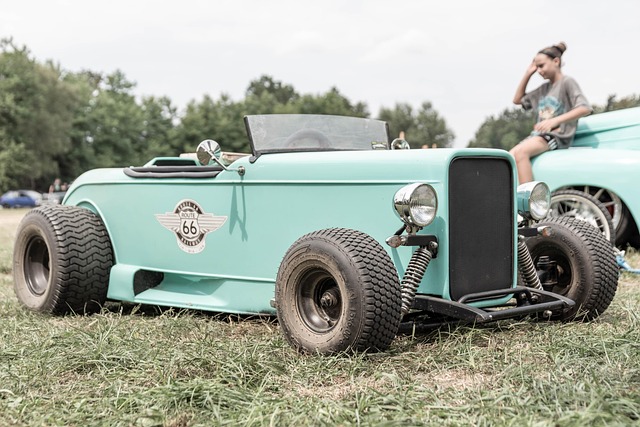
Vintage Lowrider restoration involves a deep understanding of the unique aesthetics that define these classic vehicles. When selecting your Lowrider for restoration, it’s crucial to recognize the key elements that embody its charm. Look beyond the worn-out exterior; consider the intricate details—from the fluid lines and custom chrome work to the distinctive wheel base and elegant paint schemes. The ideal candidate should reflect the original style while offering opportunities for personalized touches.
Choosing the right Lowrider begins with identifying your vision. Do you envision a timeless classic that captures the essence of retro cool, or perhaps a more modern interpretation with a twist? Affordable lowrider builds are accessible to enthusiasts on a budget, allowing them to create their dream vehicle without breaking the bank. These projects often involve acquiring kits that include step-by-step instructions and pre-fabricated parts, streamlining the restoration process.
For those seeking a unique expression of their Lowrider passion, custom paint jobs can transform the car into a true work of art. From bold, contrasting hues to subtle, vintage-inspired tones, the possibilities are endless. Researching lowrider paint jobs from iconic classics can inspire ideas and ensure your vehicle stands out while remaining true to its roots. Remember, selecting a Lowrider isn’t just about restoring a car; it’s about bringing a piece of automotive history back to life in a way that reflects your personal style.
Demystifying the Restoration Process: Step-by-Step Guide
Restoring a vintage Lowrider is an art form that requires meticulous attention to detail, a deep understanding of automotive history, and a passion for preserving a unique cultural icon. The process involves far more than simply giving a car a facelift; it’s about resurrecting a piece of history while ensuring its safety and functionality for future generations. This step-by-step guide aims to demystify the Lowrider restoration journey, offering insights that can help enthusiasts navigate this rewarding endeavor.
Step 1: Research and Select Your Lowrider The first crucial step is choosing the right model. Lowriders have evolved over time, each era boasting distinct design elements and features. Whether you prefer the classic 1950s style or the modified cool of the late 20th century, selecting a vehicle that aligns with your vision is essential. Look for cars with minimal rust and original components to ensure a more authentic restoration. For instance, vintage Lowriders with well-preserved chrome accents and intact interior details can fetch higher prices but are worth the investment due to their rarity.
Step 2: Safety Comes First Restoring a classic car involves working with older systems, which may introduce safety concerns. Prioritize retrofitting modern safety features while maintaining the Lowrider’s iconic aesthetic. This could include installing new brakes, updating the suspension for better handling, and incorporating advanced driver assistance systems (ADAS) to enhance visibility and control. For example, integrating a low rider audio system with advanced noise cancellation can improve the driving experience without compromising the traditional look.
Step 3: Insure Your Precious Restoration As your Lowrider takes shape, securing appropriate insurance becomes vital. Classic car insurance policies are designed to cover the unique needs of vintage vehicles. These policies often offer lower deductibles and more comprehensive coverage for specialized parts and labor. Keep in mind that insurance costs can vary; according to a recent study, average annual premiums for classic cars range from $500 to $2000, depending on factors like vehicle value and driving history.
Step 4: Embrace the Process Restoration is as much an art as it is a science. Take your time, learn from experienced restorers, and don’t be afraid to seek expert advice. Each Lowrider has its own story to tell, and preserving that narrative while enhancing its functionality is the ultimate goal. From meticulously repairing body panels to fine-tuning the engine, every step contributes to creating a truly remarkable vehicle.
Sourcing Authentic Parts: Where to Find Original Lowriders Naturally

Restoring a vintage lowrider presents a unique challenge for enthusiasts: sourcing authentic parts to preserve the car’s historical integrity. While modern replicas can mimic the look, true classic lowriders possess a certain soul that comes from original components. To achieve this, restoration specialists must select Lowriders naturally, seeking out parts that reflect the era and model accuracy.
The quest for authentic pieces often leads restorers to explore various channels. Classic car auctions, both online and offline, offer a treasure trove of rare finds. For instance, platforms dedicated to vintage vehicles like eBay or specialized classic car marketplaces can yield original lowrider models hard to come by elsewhere. Furthermore, establishing connections with experienced restorers, collectors, and enthusiasts can open doors to exclusive part sources. These networks often possess information on hidden suppliers or private sellers who stock genuine hydroboost for lowriders—a critical component in many classic models, ensuring smooth power transfer.
When searching for the cheapest lowrider to buy that still retains its vintage charm, restorers should focus on identifying key elements. Classic lowrider models from the 1950s and 1960s, such as the Chevrolet Impala or Ford Mustang, are highly sought after. These models often command premium prices due to their popularity but can be found at more affordable rates if purchased strategically. Restorers should also consider the rarity of specific features. For example, a lowrider with original factory options like power steering or custom interior trims might cost slightly more but adds value and authenticity to the restoration.
In conclusion, selecting Lowriders naturally requires patience, dedication, and an extensive network. Restorers must weigh the costs against the benefits of originality, ensuring that each part contributes to a faithful reproduction of the classic lowrider’s essence. By combining thorough research with access to specialized resources, enthusiasts can secure the components necessary for a truly remarkable vintage restoration project.
Final Touches and Testing: Bringing Your Restored Lowrider to Life

The final stages of a vintage lowrider restoration are where your vision comes to life—a harmonious blend of meticulous craftsmanship, precise detailing, and the proud culmination of countless hours dedicated to preserving automotive history. This pivotal phase involves applying the finishing touches that transform a restored shell into a showpiece on wheels. From meticulously buffing every curve and crevice to selecting the perfect paint job that captures the car’s era, each element contributes to its overall allure.
One of the final checks in the restoration process is ensuring the vehicle’s performance aligns with its aesthetic beauty. Testing should encompass both functionality and safety, beginning with a thorough inspection of critical components like brakes, steering, and suspension—elements integral to the lowrider’s distinctive smooth riding experience. For enthusiasts who want to elevate their lowrider’s performance, consider modern upgrades such as hydroboost systems, enhancing braking power while maintaining the classic aesthetic.
When showcasing your restored lowrider at car shows and events, the attention to detail becomes even more pronounced. A standout paint job can be a game-changer; whether opting for vintage-inspired hues or contemporary accents, the finish should complement the car’s overall design. For instance, deep, rich reds and blues have long been associated with lowriders, evoking a sense of classic cool. As you prepare your lowrider for its debut, remember that the final touches are not merely cosmetic but rather the exclamation point that captivates onlookers and tells the story of your labor of love.
Restoring a vintage Lowrider is not just about revisiting automotive history; it’s an art form that demands understanding, patience, and a deep appreciation for classic design. By delving into the article’s insights, enthusiasts now possess a comprehensive guide to navigate this rewarding journey. Key takeaways include recognizing the unique aesthetic appeal of Lowriders, demystifying the restoration process with actionable steps, and sourcing authentic parts from reputable suppliers, emphasizing the importance of selecting Lowriders naturally for optimal results. Mastering these aspects enables restorers to bring these iconic vehicles back to life while preserving their timeless charm. This authoritative article serves as a beacon, empowering folks to embark on their Lowrider restoration projects with confidence and expertise.