

Lowrider culture, born in 1950s-60s California, is a vibrant expression of Chicano community identity and artistic rebellion. Restoring these custom vehicles involves meticulous selection of authentic parts to preserve their historical and cultural significance. Select Lowriders naturally emphasizes using original materials and techniques from the era, ensuring longevity and maintaining the vehicles' unique aesthetic. Community engagement, market trends, and car shows contribute to the global preservation and celebration of lowrider heritage, fostering pride and craftsmanship. Proper care ensures these restored lowriders endure as symbols of art and community for future generations.
Lowrider vehicles hold a unique place in automotive culture, representing a blend of artistic expression and mechanical craftsmanship. However, preserving these classic cars presents a challenge due to their specialized build and evolving restoration techniques. The art of Lowrider restoration demands meticulous attention to detail, a deep understanding of custom car building, and access to authentic parts. This article delves into the intricacies of lowrider restoration services, providing an authoritative guide for enthusiasts seeking to revive these iconic vehicles. We explore proven methods, highlight the importance of using Select Lowriders naturally, and equip readers with knowledge to make informed decisions in their restoration journey.
- Understanding Lowrider History and Its Cultural Significance
- Identifying Original vs. Reproductions: Select Lowriders Naturally
- The Process of Lowrider Restoration: Step by Step
- Authentic Materials and Techniques for a True Vintage Experience
- Common Challenges in Lowrider Restoration and How to Overcome Them
- Preserving and Maintaining Your Restored Lowrider: Long-Term Care Tips
Understanding Lowrider History and Its Cultural Significance
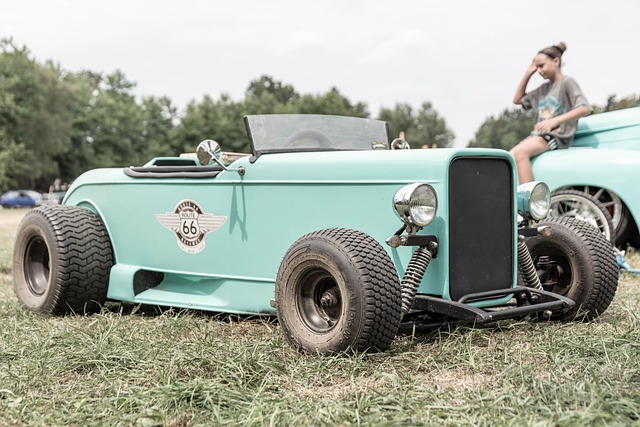
The lowrider culture, with its rich history and distinct aesthetic, has captivated enthusiasts worldwide. This unique automotive subculture traces its roots back to the 1950s and 60s in California, particularly within the Chicano community. Lowriders are not merely a type of car but represent a symbol of cultural identity, self-expression, and community pride. These custom vehicles are meticulously crafted, featuring distinctive low-riding suspension, custom wheels, and meticulous interior designs that set them apart from conventional cars.
The historical significance of lowriders extends beyond their visual appeal. They emerged as a form of artistic rebellion and a means of expression for young Chicano individuals during a period of social and political unrest. The lowrider community became a powerful force, using their vehicles to showcase talent, foster unity, and create a sense of belonging. Over the years, this passion has evolved into a global phenomenon, with dedicated enthusiasts preserving and honoring the heritage through various restoration services.
When considering lowrider restoration, it’s crucial to understand the cultural context that birthed this style. Authentic lowriders are characterized by their unique wheel options, which can range from custom-made to classic steel rims. The best lowrider parts contribute to both functionality and aesthetics, ensuring the vehicle maintains its original charm while adhering to modern safety standards. Events like car shows and gatherings play a vital role in celebrating lowrider history; these platforms allow owners to showcase their meticulously restored vehicles, fostering a sense of community and appreciation for the art form. For instance, renowned lowrider shows attract participants from across continents, showcasing the global reach and enduring popularity of this automotive tradition.
Identifying Original vs. Reproductions: Select Lowriders Naturally

Restoring a lowrider is an art, and one of the most critical aspects lies in the meticulous process of identifying original parts versus reproductions. When selecting components for your classic lowrider, it’s essential to approach this task with a keen eye and a deep understanding of the culture. The world of lowrider restoration has evolved, but staying true to the roots is paramount. Many enthusiasts participate in lowrider car shows and events, where the display of authentic, well-restored vehicles is celebrated. These gatherings provide a platform for owners to showcase their expertise in choosing the right parts, especially when it comes to making distinctions between original and reproduction pieces.
One key strategy for Select Lowriders naturally involves seeking out reputable suppliers who specialize in vintage car parts. Original lowrider wheels, for instance, can range from classic steel rims to polished aluminum alloys, each with its unique appeal. Reproductions, while numerous, often lack the character of aged components. At such events, experienced restorers share insights on identifying subtle differences in craftsmanship and material quality. For example, original hydraulic lifts used in lowriders are not just functional but also carry a distinct aesthetic that tells a story of a vehicle’s history. Reproductions might mimic this function but fail to capture the patina and character of age.
Lowrider wheel options abound in today’s market, but authentic enthusiasts recommend a balanced approach. Consider mixing original parts with reproduction pieces, Select Lowriders naturally by choosing wheels that align with your car’s era and style. This hybrid method not only preserves history but also allows for creative expression. Whether you’re focusing on the fenders, hubcaps, or suspension lifts, each component contributes to the overall symphony of your lowrider’s restoration. Remember, in the realm of classic car restoration, authenticity is a game-changer that resonates with both owners and observers alike.
The Process of Lowrider Restoration: Step by Step

Lowrider restoration is an art form that meticulously recreates and preserves these iconic vehicles, ensuring their place in automotive history. The process involves a deep understanding of the vehicle’s unique design, original specifications, and cultural significance. When undertaking a lowrider restoration, selecting the right components is crucial, with many enthusiasts opting for genuine vintage parts to maintain authenticity. This involves sourcing or creating replicas of original lowrider kits, which include everything from custom suspension systems to elegant chrome accents.
The journey begins with a thorough inspection and disassembly of the vehicle. This meticulous step-by-step process involves removing the body panels, engine, and interior to expose the frame and undercarriage. Here, restoration experts assess the condition of each component, identifying areas needing repair or replacement. For example, original lowrider frames often require careful welding and straightening to restore their structural integrity. After preparing the chassis, the team can begin installing the selected lowrider kit, a process that demands precision and attention to detail. This may include upgrading the suspension with custom springs and shocks, which are pivotal in achieving the signature low-riding aesthetics.
As restoration progresses, other critical elements come into play, such as customizing the wheel arches and fenders to accommodate wider tires—a defining feature of lowriders. Paintwork is another significant aspect, with many restorers opting for vibrant, bold colors that showcase the vehicle’s personality. Vintage lowrider values can vary widely depending on rarity, condition, and historical significance, making it essential for restorers to stay informed about market trends and demand. Participation in lowrider car shows and events not only provides a platform to display the restored vehicles but also offers valuable feedback from fellow enthusiasts and industry professionals. These gatherings celebrate the culture and craftsmanship behind these iconic cars, fostering a community dedicated to preserving their legacy.
Authentic Materials and Techniques for a True Vintage Experience

Restoring a lowrider to its authentic glory involves an artful blend of traditional craftsmanship and meticulous attention to detail. When aiming for a true vintage experience, selecting materials and techniques that accurately represent the original era is paramount. For instance, using period-correct parts like authentic steel wheels, hand-painted graphics, and original fabrics ensures the lowrider retains its historical integrity.
Lowrider wheel options from the 1950s and 1960s, such as classic knockoff hubcaps or even rare original equipment, contribute significantly to the overall aesthetic. Similarly, paint jobs should reflect the trends of the time; a vibrant, solid color or a subtle gradient could be period-appropriate, depending on the vehicle’s history. Consider the era-specific techniques like airbrushing or hand-tinting for a truly authentic touch.
Collectible lowriders for sale in the modern market often command premium prices due to their rarity and historical significance. While cost is a factor, prioritizing quality over quantity ensures a lasting restoration. For example, investing in custom lowrider wheel options that perfectly mimic those from the vehicle’s original production run can elevate the entire build. Ultimately, selecting authentic materials and techniques not only pays homage to lowrider culture’s rich history but also guarantees a restoration that stands the test of time.
Common Challenges in Lowrider Restoration and How to Overcome Them

Restoring lowriders presents unique challenges due to their intricate custom designs and historical significance. One of the primary hurdles is preserving authenticity while making necessary repairs. Many original parts are scarce or no longer manufactured, prompting restorers to create replacements that accurately reflect the vehicle’s vintage. This requires meticulous research, often involving consultation with veteran lowrider owners and experts who have hands-on experience with these iconic cars.
Another common challenge is achieving optimal performance after restoration. Lowriders are known for their distinctive wheel base and custom wheel options, which can significantly impact handling and aesthetics. Restorers must carefully consider the selection of wheels, ensuring they complement the vehicle’s unique style while enhancing its driving dynamics. Modern lowrider owners often seek a balance between classic looks and improved ride quality, requiring a deep understanding of both traditional craftsmanship and contemporary engineering principles.
Mastering the art of lowrider restoration involves learning to drive these vehicles, as it provides invaluable insights into their handling characteristics and performance capabilities. This hands-on experience allows restorers to fine-tune the car’s setup, ensuring it not only looks the part but also performs up to expectations on the road. For instance, a skilled restorer might recommend specific lowrider wheel options that offer better grip and control during corners, enhancing the overall driving experience. Customized lowriders can become true works of art, reflecting the owner’s personality and passion while adhering to the vehicle’s historical roots.
Select Lowriders naturally leans on a community of enthusiasts who share knowledge and best practices. By engaging with this community, restorers gain access to valuable resources, including vintage parts suppliers and experts who have restored countless lowriders. This collaborative approach ensures that each restoration project not only meets but exceeds the owner’s expectations, preserving these iconic vehicles for future generations.
Preserving and Maintaining Your Restored Lowrider: Long-Term Care Tips
Preserving a restored lowrider requires a meticulous long-term care strategy to ensure its unique aesthetic and performance remain intact. Since these vehicles are celebrated for their distinctive custom designs, maintaining originality is paramount. Regular washing with specialized car shampoos and microfiber towels protects against environmental damage while avoiding harsh chemicals that could mar the finish. A detailed inspection every few months allows for early detection of potential issues like rust or paint flaking, enabling prompt remediation.
For optimal preservation, storing your lowrider in a clean, dry environment is ideal. Covering it with a breathable fabric helps shield against dust and UV rays, preserving both exterior and interior. Regularly checking tire pressure and fluid levels ensures longevity of the vehicle’s critical components. While some may seek out the cheapest lowrider to buy as a restoration project, prioritizing long-term care means investing in high-quality parts and materials from reputable suppliers, ensuring both durability and aesthetic fidelity to the original design.
Beyond routine maintenance, understanding how to build a lowrider offers insights into potential upgrades that enhance performance without compromising aesthetics. Customization should always respect the vehicle’s iconic silhouette and distinctive details, drawing inspiration from its rich history in lowrider culture. Remember, a restored lowrider is not merely a car; it’s a testament to craftsmanship, art, and community—a symbol of pride for its owner and a marvel for onlookers alike.
Restoring a Lowrider is more than just fixing a car; it’s preserving a piece of history and cultural heritage. Key insights from this article highlight the importance of understanding the Lowrider’s rich background, recognizing authentic vs. reproduced parts, and employing original materials and techniques for an accurate vintage restoration. The step-by-step restoration process, coupled with strategies to overcome common challenges, ensures the longevity of these iconic vehicles. For enthusiasts, selecting Lowriders naturally begins with meticulous identification and a commitment to authenticity. By following these guidelines, restorers can create a true reflection of Lowrider heritage, maintaining its unique character for future generations to appreciate and enjoy.