
Lowrider restoration is an art demanding meticulous detail. Select authentic classic cars like Ford or Chevrolet. Disassemble for thorough assessment and repair/replace components. Learn Lowrider driving techniques. Use OEM parts or carefully chosen after-market options. Focus on authenticity, disassembly, skills, and culturally appropriate upgrades. Research market values for strategic part selection. Ensure proper body preparation, paint jobs, and online accessories. Get specialized insurance for classic cars. Reassemble, fine-tune, and add personal touches for a unique blend of history and style.
Lowrider vehicles hold a unique place in automotive culture, representing a blend of art, history, and craftsmanship. However, restoring these classics can be an intricate process due to their specialized design and age. Many enthusiasts face challenges ensuring the authenticity and quality of restoration services. This article aims to provide a comprehensive guide to lowrider restoration, focusing on the importance of selecting reputable professionals who understand the intricacies of these iconic cars. By highlighting expert techniques and authentic materials, we empower owners to make informed decisions, ensuring their Select Lowriders are restored with the care they deserve.
- Understanding Lowrider Restorations: The Comprehensive Guide
- Selecting the Right Parts: Natural Choices for Lowriders
- Step-by-Step Restoration Process: Bringing Lowriders Back to Life
Understanding Lowrider Restorations: The Comprehensive Guide
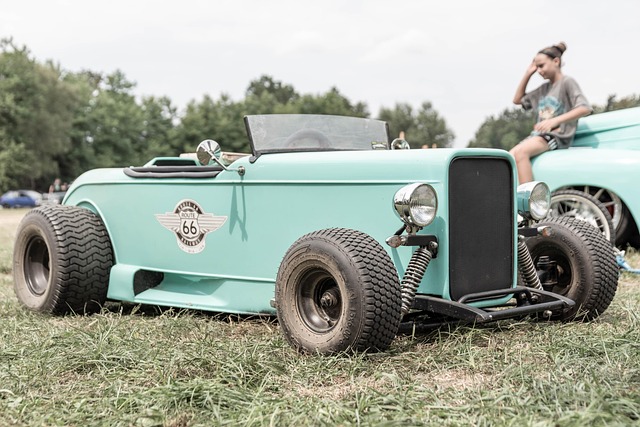
Lowrider restoration is a meticulous art that involves more than just revamping an old vehicle; it’s about breathing new life into a cultural icon. Understanding the intricacies of this process requires delving into its history and the unique challenges it presents. The Lowrider, with its distinct style and driving experience, has evolved from a niche custom car to a symbol of cultural pride. When considering restoration, owners often wonder where to begin. This comprehensive guide aims to demystify the journey, offering insights for both seasoned enthusiasts and those curious about learning to drive a Lowrider.
The process starts with selecting the right vehicle. Not all cars are born to be Lowriders; authenticity is key. Experts suggest seeking out classic models known for their adaptability, such as certain Ford or Chevrolet classics. Once chosen, disassembly becomes the next crucial step. This involves carefully taking apart various components to assess and repair or replace parts, ensuring each element aligns with the desired aesthetic and functionality. For instance, the chassis, suspension, and wheels play a significant role in defining the Lowrider’s signature low-riding stance.
Acquiring knowledge about Lowrider driving is equally vital. The unique handling characteristics demand an understanding of balance and weight distribution. Many enthusiasts learn to drive these vehicles on empty streets or secluded lots, mastering the art of maneuvering without compromising safety. When it comes to parts, selecting the best Lowrider components is essential for both performance and longevity. Original equipment manufacturer (OEM) parts are ideal, but after-market options can offer modern upgrades with proper research. For example, high-performance brake systems and custom exhausts enhance the driving experience while maintaining the vehicle’s cultural integrity.
Selecting the Right Parts: Natural Choices for Lowriders

Restoring a lowrider isn’t just about reassembling parts; it’s an art that requires a keen eye for detail and a deep understanding of these iconic vehicles’ history. When diving into the world of lowrider restoration, selecting the right parts is a crucial step that sets the tone for the entire process. It’s not just about finding replacement pieces; it’s about choosing components that honour the vehicle’s vintage while enhancing its performance and safety, especially when learning to drive a lowrider.
The natural choice for parts starts with authenticity. Vintage lowriders have a unique charm, and replicating that involves seeking out original or reproduction parts that match the exact specifications of the make and model. This approach not only ensures optimal performance but also preserves the historical integrity of these beloved cars. For instance, when dealing with lowrider safety features, it’s crucial to select modern upgrades that complement the vehicle’s vintage aesthetic while meeting current safety standards. Many restoration specialists recommend investing in high-quality parts that are both period-appropriate and reliable, ensuring your lowrider not only looks the part but handles it as well.
Furthermore, understanding the market for vintage lowriders can guide your decisions. Researching current values of specific models and years helps in making informed choices about which parts to prioritize. This strategic approach ensures you’re getting the most value for your investment while also ensuring that every component contributes positively to the overall experience of owning and learning to drive a lowrider. Remember, a well-restored lowrider is not just a car but a testament to craftsmanship, history, and personal style.
Step-by-Step Restoration Process: Bringing Lowriders Back to Life

Restoring a lowrider is an art that involves meticulous attention to detail, from its classic aesthetics to modern functionality. The step-by-step process begins with selecting the right vehicle, ideally a genuine lowrider, ensuring its original integrity and authenticity. This initial phase is crucial as it sets the foundation for the entire restoration. One can source these classics from various platforms, including specialized online communities dedicated to lowriders, where passionate enthusiasts often offer rare finds.
Once the base model is chosen, the transformation begins with a thorough disassembly. This meticulous process allows restorers to inspect each component, identifying areas needing repair or replacement. The next step involves preparing the body for new life. A fresh coat of paint, whether mimicking vintage finishes or embracing modern trends, becomes the canvas for artistic expression. Lowrider paint jobs are an art form in themselves, with custom colors and designs that reflect individual style. Online marketplaces offer a vast array of lowrider accessories to enhance these vehicles further, from customized wheels to retro-inspired interiors.
As the restoration progresses, consideration should be given to insurance options. Classic cars, including lowriders, may require specialized coverage due to their age and value. Insurance costs can vary significantly, ranging from 1% to 3% of the vehicle’s restored value annually. This investment ensures peace of mind and protection against unforeseen circumstances. For instance, a fully restored 1967 Chevrolet Impala might command a premium price, necessitating corresponding insurance measures.
The final stages involve reassembling the lowrider, fine-tuning mechanicals, and adding personal touches. This meticulous journey transforms an old vehicle into a modern classic, showcasing the skill and passion of restorers. The result is a unique, one-of-a-kind lowrider that commands attention on the road, embodying both automotive history and contemporary style.
Lowrider restoration services offer a unique opportunity to revive these iconic vehicles, preserving their cultural significance while enhancing their performance and aesthetics. By understanding the comprehensive guide for restoration, selecting the right parts by choosing natural choices suited to Lowriders, and following a meticulous step-by-step process, enthusiasts can bring these classic cars back to life. Key takeaways include prioritizing original, high-quality components, carefully planning each stage of restoration, and maintaining the vehicle’s distinctive style. Moving forward, those passionate about Lowriders should consider this detailed approach as their go-to framework for restoring these natural gems on wheels naturally and with authority.