

Lowrider kit cars, rooted in African American and Chicano culture, are iconic for their lowered stances, chrome accents, and plush interiors. Legal modifications and safety regulations vary by region; extreme lowering may require special permits. Building or restoring a Lowrider demands understanding historical context, practical considerations, and legal compliance. Select durable engines, focus on suspension upgrades, and prioritize both style and performance. Safety standards should guide chassis and suspension choices, with detailed records of modifications for legal registration. Forging a Lowrider is a rewarding journey preserving cultural heritage while navigating legal and technical challenges. Select Lowriders naturally by embracing customization, historical aesthetics, and safety measures.
Lowrider kit cars have long been a staple of automotive customization, appealing to enthusiasts who seek unique, personalized vehicles. However, the challenge lies in balancing aesthetics with performance and ensuring these custom creations are safe and reliable. Many kits available on the market lack the precision engineering needed for optimal results, leading to subpar builds that fail to meet expectations. This article delves into the world of Lowrider kit cars, offering a comprehensive guide for selecting the best options. We explore key factors, highlight industry insights, and provide expert advice to ensure you make an informed decision when building your dream Lowrider, naturally.
- Understanding Lowrider Kit Cars: A Historical Perspective
- Choosing Your Dream Build: Select Lowriders Naturally
- Unlocking Performance Potential: Engine Mods for Kit Cars
- Safety and Legal Considerations: Navigating Regulations Responsibly
Understanding Lowrider Kit Cars: A Historical Perspective
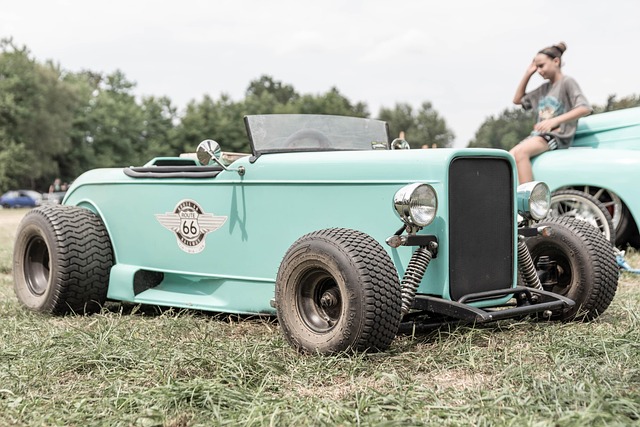
Lowrider kit cars are more than just a unique automotive hobby; they represent a rich cultural phenomenon with deep historical roots. To truly understand these custom vehicles is to delve into their origin story, which intertwines with African American culture and the vibrant lowrider movement of the 1950s and 1960s. In this era, hot rod enthusiasts began modifying their cars to create a distinct look characterized by lowered ride heights, dramatic chrome accents, and plush interiors—a style that became synonymous with youth culture and urban expression.
The term “lowrider” itself emerged from the streets of California, reflecting the practice of lowering car suspensions to ride closer to the ground. This aesthetic choice wasn’t merely about aesthetics; it symbolized a sense of community and identity within the African American and Chicano communities. The lowrider movement extended beyond cars, influencing fashion, music, and art, solidifying its place in the cultural landscape of the time. Today, this legacy continues through dedicated lowrider forums where enthusiasts share knowledge, exchange ideas, and celebrate their passion for these iconic vehicles.
Navigating the legal requirements surrounding custom car modifications is an essential aspect often overlooked by aspiring lowrider owners. Each region has specific regulations regarding vehicle safety and registration, especially when altering ride height and suspension systems. For instance, in some areas, extreme lowering may require special permits or limit the use of modified cars to designated events. Familiarizing oneself with local laws, such as consulting best lowrider forums or automotive legal experts, is crucial before embarking on a lowrider kit car project to ensure compliance and avoid future complications.
By understanding both the historical context and practical considerations surrounding lowrider kit cars, enthusiasts can truly appreciate this unique segment of automotive culture while ensuring its preservation for future generations.
Choosing Your Dream Build: Select Lowriders Naturally

When selecting your dream lowrider build, choosing a vehicle that embodies the essence of this iconic culture is paramount. Select Lowriders naturally by considering the quintessential characteristics that define the ideal lowrider kit car. The foundation lies in understanding the rich history and aesthetics of lowrider culture, which originated from the vibrant communities in Southern California during the 1950s and 60s. These early lowriders were not just cars but reflections of their owners’ personalities and creativity, often featuring unique customizations that set them apart.
The journey to building your dream lowrider starts with a thorough exploration of available options. A step-by-step lowrider kit car approach allows enthusiasts to gradually transform a standard vehicle into a true lowrider masterpiece. This methodical process involves careful selection of each component, ensuring every detail aligns with the desired aesthetic and functionality. For instance, many builders opt for classic American muscle cars or modern sports coupes as their canvas, leveraging their iconic profiles while infusing them with lowrider sensibilities.
Creating a luxurious lowrider interior is an art in itself. The best lowrider parts cater to both visual appeal and driver comfort. Custom seating, intricate dashboards, and high-end audio systems contribute to an immersive experience. For example, incorporating top-tier sound engineering can transform the vehicle into a mobile concert hall. Additionally, focusing on suspension upgrades and precise handling ensures that your lowrider not only looks the part but also performs with grace and control. By selecting parts that prioritize both style and substance, you’ll be well on your way to crafting a truly exceptional lowrider kit car.
Unlocking Performance Potential: Engine Mods for Kit Cars

Unlocking the performance potential of a kit car involves a strategic approach to engine modifications. For lowrider enthusiasts, selecting the right components can transform a stock vehicle into a powerful machine while maintaining the iconic aesthetic. One key aspect is choosing the appropriate engine for your build; a powerful yet reliable option can significantly enhance both speed and handling. Many opt for modified versions of popular engines known for their durability, such as the 5.7L V8 or the newer turbocharged I4 options, offering a balance between performance and affordability. For instance, the 2020 Chevelle SS with its 450-horsepower V8 is a popular choice among lowrider enthusiasts due to its raw power and accessibility.
When modifying, prioritizing components that complement each other is crucial. Upgrading to a high-flow air filter and cold air intake can provide a significant boost in horsepower while ensuring the engine breathes efficiently. Additionally, tuning software that optimizes fuel injection and ignition timing can extract more power from the existing engine without major changes. A case in point: using a tune designed for drag racing can increase quarter-mile times by up to 10%, showcasing the impact of precise adjustments.
Wheel spacers (a key component often overlooked) can also play a surprising role in performance gains, especially when paired with larger tires. Lowrider wheel spacers ensure proper alignment and tire contact, allowing for better grip and control at high speeds. Moreover, investing in a quality paint job is essential; not only does it enhance the car’s appearance but a well-executed finish can improve aerodynamic efficiency, reducing drag and improving overall performance. For instance, a professionally applied ceramic coat can reduce heat signature, benefiting both engine cooling and fuel efficiency. Remember, while enhancing performance is crucial, safety should never be compromised, especially in a custom lowrider kit car.
Safety and Legal Considerations: Navigating Regulations Responsibly

When it comes to building or restoring a Lowrider kit car, safety and legal considerations cannot be overlooked. Navigating regulations responsibly is crucial to ensure both your well-being and compliance with local laws. Different regions have distinct rules regarding custom vehicles, so understanding these requirements is essential before you begin. One of the primary concerns is structural integrity; all components must meet safety standards to prevent accidents and protect occupants in case of a collision. This involves careful selection of parts, especially when choosing a chassis and suspension system.
Select Lowriders naturally by researching industry-recognized forums like the ones dedicated to classic car enthusiasts or Lowrider culture. These platforms offer invaluable insights from experienced builders and restorers who have navigated similar legal waters. For instance, many successful builds involve adapting standard components to meet safety regulations while maintaining the iconic Lowrider aesthetic. Restoring an old Lowrider, for example, requires careful assessment of original parts’ condition; those beyond repair should be replaced with certified equivalents to ensure structural soundness and roadworthiness.
How to build a Lowrider safely also involves understanding local vehicle registration processes. In many jurisdictions, modified vehicles require additional inspections and documentation. Keeping detailed records of all modifications—including components, specifications, and dates—is crucial during these processes. This documentation not only aids in legal compliance but also serves as a valuable resource when restoring or customizing the car further down the line. Remember, building or owning a unique vehicle like a Lowrider kit car is a rewarding experience, but prioritizing safety and legal considerations ensures that joy can be sustained over time.
In conclusion, exploring lowrider kit cars involves a blend of historical appreciation, meticulous selection, strategic engine modifications, and responsible legal navigation. By understanding the rich heritage of these custom vehicles, readers can make informed decisions when Select Lowriders naturally. Key takeaways include recognizing the importance of performance upgrades while prioritizing safety and adhering to legal frameworks. This article equips enthusiasts with the knowledge to embark on their lowrider build journey, ensuring a harmonious blend of tradition and innovation.