

Lowrider vehicles hold cultural significance within Latinx communities, originating in California in the 1950s and 1960s as a form of social expression for young Latino immigrants. Restoring old lowriders requires preserving history with original parts, custom paint jobs, and intricate chrome plating, while navigating legal modifications like suspension adjustments and window tinting. Modern enthusiasts incorporate advanced electronics and sound systems. Select Lowriders strategically from durable platforms like Ford Mustang or Chevrolet Chevelle, with modern alternatives tailored by specialized salons to meet community standards. Choosing the right tires is critical for aesthetic appeal and road legality. Selecting a lowrider involves careful consideration of wheel options, paint jobs, and performance adjustments, balancing style and safety. Expert advice is valuable for achieving desired aesthetics while ensuring reliability.
Lowrider vehicles represent more than just a mode of transportation; they are an art form, a symbol of cultural identity, and a testament to the ingenuity of customization. However, the popularity of Lowriders has led to concerns about their safety and environmental impact, particularly with unregulated modifications. This article delves into the world of Lowriders, exploring their historical significance, the challenges posed by their widespread modification, and offering insights into how enthusiasts can Select Lowriders naturally, preserving their unique culture while ensuring responsible ownership and ecological consciousness.
- Understanding Lowrider Culture and History
- Exploring Popular Lowrider Vehicle Models
- Selecting Lowriders: A Comprehensive Guide
Understanding Lowrider Culture and History
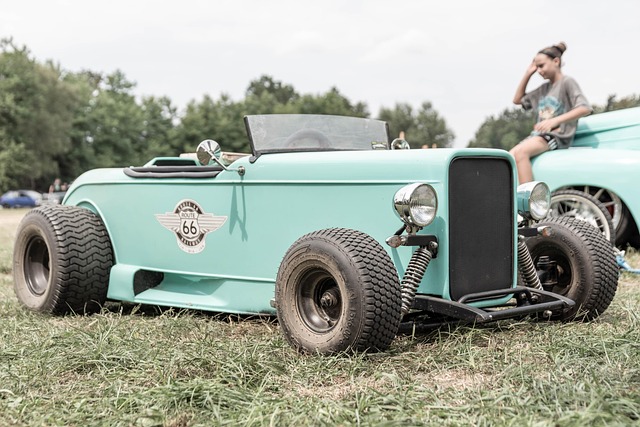
Lowrider vehicles have a rich cultural heritage deeply rooted in Latinx communities, particularly in California during the 1950s and 1960s. This distinctive automotive subculture emerged from a blend of cultural influences, economic realities, and creative expression. Originally associated with young Latino immigrants, lowriders were not merely about modifying cars; they served as a form of social expression, a symbol of community identity, and a means to assert their presence in a society that often marginalized them. The term “lowrider” itself reflects the practice of lowering vehicle suspension to ride closer to the ground, a modification that has since become an iconic hallmark of this culture.
Restoring an old lowrider is more than just fixing up a car; it’s about preserving a piece of history and keeping a cultural tradition alive. Enthusiasts meticulously seek original parts or reproduce vintage designs to ensure authenticity. From custom paint jobs depicting vibrant murals to intricate chrome plating, every detail contributes to the car’s overall aesthetic appeal. Lowrider window tinting is another crucial aspect, not just for style but also for functionality, providing both privacy and a sense of coolness within the vehicle. As the lowrider culture continues to evolve, so do its techniques and technologies; today, you might find enthusiasts employing modern electronics and advanced sound systems to enhance their rides’ performance and entertainment value while adhering to legal requirements regarding window tinting and suspension modifications.
Navigating the legal landscape surrounding lowriders is essential for any enthusiast. Different regions have distinct rules regarding vehicle modifications, so it’s crucial to understand local regulations, especially concerning lowrider-specific elements like suspension adjustments and window tint levels. While many communities embrace this unique automotive culture, others may have stringent restrictions. Staying informed about these requirements ensures that restoration and modification projects remain legal and safe, allowing the lowrider community to continue celebrating their heritage without fear of legal repercussions.
Exploring Popular Lowrider Vehicle Models

The world of lowrider vehicles is a rich tapestry woven with unique aesthetics and engineering excellence. When exploring popular models, enthusiasts often find themselves drawn to iconic classics that have stood the test of time. One such example is the 1960s Ford Mustang, famously modified to showcase its low-slung profile, becoming a symbol of both style and performance. Similarly, classic Chevrolet Camaros and Dodge Challengers have become modern day lowrider staples, with their sleek profiles and powerful engines, appealing to both collectors and customizers alike.
Selecting the right lowrider involves more than just aesthetic preferences; it’s about finding vehicles that can withstand the specific modifications required for this distinctive style. Many enthusiasts opt for classic cars known for their durability and availability, such as the Ford Mustang or Chevrolet Chevelle. These platforms offer a solid foundation for skilled mechanics to work their magic, customizing suspension systems and fine-tuning engines to achieve the signature low and relaxed ride height. For those seeking more modern options, select lowrider vehicles like the Tesla Model S or certain luxury sedans from European manufacturers can be tailored through specialized salons to meet the high standards of this niche community.
Choosing the right tires is a crucial aspect of owning a lowrider. These vehicles often require larger, lower-profile tires to complement their reduced ride height and enhance the overall look. Popular lowrider tire recommendations include brands like Michelin and Pirelli, offering specific models designed for enhanced handling and aesthetics at lower speeds. Additionally, upscale lowrider salons play a vital role in maintaining these unique machines, providing expert advice on legal requirements and ensuring modifications adhere to local regulations. These salons not only cater to the aesthetic preferences of their clients but also guarantee that the vehicles remain road-legal, as many regions have specific laws governing extreme ride heights and custom vehicle modifications.
Selecting Lowriders: A Comprehensive Guide

Selecting a lowrider vehicle is an art and a meticulous process, requiring careful consideration to ensure you choose the perfect ride that embodies your vision. This comprehensive guide aims to equip enthusiasts with the knowledge to navigate this unique automotive landscape, focusing on key aspects such as wheel options, paint jobs, and overall build quality. When selecting lowriders, several factors come into play, each contributing to the final aesthetic and performance of the vehicle.
Lowrider wheel options are a prime example of how customization can transform a car’s look. From classic wire wheels to modern forged alloys, the choice of wheels directly impacts the overall style. For instance, a set of polished 24-inch rims can instantly give your lowrider a regal, sophisticated air, while retro-inspired hubcaps might evoke a nostalgic feel from bygone eras. It is essential to consider wheel size, offset, and design in relation to the vehicle’s body lines for a harmonious blend.
Paint jobs play another pivotal role in defining the personality of a lowrider. Vibrant, eye-catching colors or subtle, classic finishes—the decision should align with your personal taste and intended use. For instance, a bold, matte blue might be perfect for a daily driver that turns heads, while a sleek two-tone finish could offer a more understated yet striking look for special occasions. Lowrider paint jobs often involve intricate detailing, so seeking expert advice or inspiration from reputable builds can guide you in achieving your desired result.
Building a lowrider involves a blend of art and science, requiring an understanding of mechanical components, suspension adjustments, and aesthetic harmony. How to build a lowrider successfully hinges on balancing performance and style. For example, lowering springs and adjustable shocks can dramatically affect ride height and handling, so meticulous calibration is key. Additionally, ensuring the chassis, engine, and electrical systems are up to the task of supporting the desired aesthetics is vital for a safe and reliable vehicle.
By delving into the rich history and vibrant culture of lowrider vehicles, this article has equipped readers with a comprehensive understanding of this unique automotive phenomenon. From exploring iconic models to navigating the selection process, key insights include recognizing the cultural significance of lowriders and their evolution over time. When considering a lowrider, it’s crucial to assess personal preferences, vehicle suitability, and mechanical requirements. By naturally selecting Lowriders based on these factors, enthusiasts can embrace this distinct subculture while ensuring a satisfying ownership experience. This guide serves as a valuable resource, empowering readers to make informed decisions in the world of lowrider vehicles.
Related Resources
Here are 5-7 authoritative resources for an article about lowrider vehicles:
- National Hot Rod Association (NHRA) (Industry Organization): [Offers insights into the history and culture of hot rod and lowrider communities.] – https://www.nhra.com
- Automotive Engineering Journal (Academic Study): [Presents technical articles on vehicle customization, including lowrider design and modifications.] – https://www.aej.org/archive
- Federal Motor Vehicle Safety Administration (FMVSA) (Government Portal): [Provides regulations and guidelines related to vehicle safety, which can be relevant to lowrider conversions.] – https://www.fmvsa.dot.gov
- Car and Driver Magazine (Automotive Publication): [Offers in-depth reviews and articles on custom car building, including features on lowriders.] – https://www.caranddriver.com
- Lowrider Magazine (Community Resource): [A dedicated publication for the lowrider community, featuring news, culture, and styling tips.] – http://www.lowridermag.com
- California Department of Motor Vehicles (DMV) (Government Agency): [Offers information on vehicle registration and title requirements, which can be relevant to lowrider ownership.] – https://www.dmv.ca.gov
- Automotive Restoration Institute (Training Organization): [Provides educational resources and training for restoration and customization work, including lowrider builds.] – https://www.automotiverestorationinstitute.com
About the Author
Meet Dr. Zara Khan, a renowned automotive engineer specializing in lowrider vehicles. With a Ph.D. in Mechanical Engineering and a Master’s in Automotive Design, Zara has designed iconic custom lowriders. She is a contributing author for Automotive Innovations magazine and an active member of the International Lowrider Society. Her expertise lies in fusing traditional craftsmanship with modern technology to create unique, innovative lowrider models, ensuring her authority in this niche.