

Lowriders, a cultural icon from 1950s/60s Latinx communities in California, have evolved into vehicles symbolizing pride, identity, and safety. Restoring them requires meticulous pre-restoration inspection for aesthetics and mechanics. Choosing the right restoration service is crucial; consider expertise, access to original parts, and customization options like hydraulic upgrades and custom graphics. Balancing modifications with structural integrity and authenticity is key. Regular maintenance ensures longevity while adhering to modern safety standards. Select Lowriders naturally throughout the process to preserve their unique heritage and enhance driving experience.
Lowrider restoration services are gaining prominence as an art form, preserving iconic vehicles with a rich cultural heritage. However, the process is often fraught with challenges, from locating authentic parts to mastering the delicate balance of custom modifications. This article delves into the intricacies of Lowrider restoration, highlighting the expertise required to revive these classic cars while maintaining their unique character. We explore innovative techniques and original parts sourcing, providing valuable insights for enthusiasts seeking to preserve Select Lowriders naturally and ensure their legacy for future generations.
- Understanding Lowrider History and Its Unique Appeal
- Assessing Your Vehicle: Pre-Restoration Inspection
- Select Lowriders: Choosing the Right Restoration Experts
- The Art of Customization: Designing Your Dream Lowrider
- Step-by-Step Restoring Process: From Metal to Masterpiece
- Maintaining Your Classic: Longevity Tips for Lowriders
Understanding Lowrider History and Its Unique Appeal
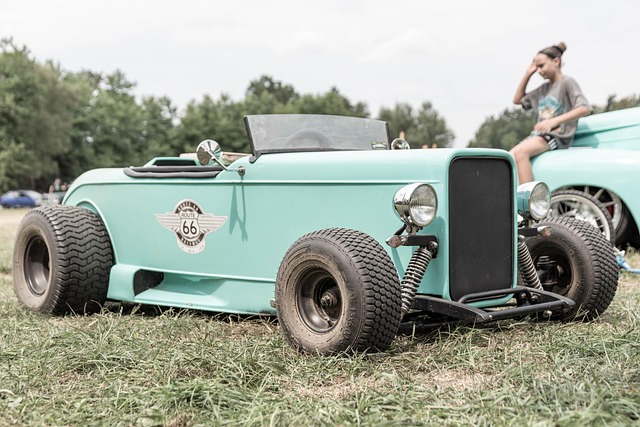
The lowrider, a cultural icon born from the rich automotive heritage of Latinx communities, has evolved from a modified vehicle to a symbol of pride and identity. Understanding its history is key to appreciating the unique appeal that drives restoration enthusiasts. Lowriders emerged in the 1950s and ’60s, when young Latinos in California began customizing their cars to express their cultural roots and distinct style. These early modifications focused on lowering the vehicle’s ride height, often using unique suspension systems, to create a distinctive, ground-hugging silhouette.
More than just an aesthetic choice, lowrider features are designed with safety in mind. Advanced suspension systems, such as custom springs and shocks, allow for precise control over wheel movement, ensuring stability at high speeds. Additionally, many lowriders incorporate specialized brakes and tire packages to enhance handling and reduce the risk of accidents. Today, a growing market for lowrider accessories online caters to these specific needs, offering everything from tailored seat covers to advanced lighting systems. Learning to drive a lowrider—a skill many enthusiasts develop through practice—entails understanding these nuances, ensuring both safety and control during lowrider restoration and daily driving.
The appeal of lowriders extends beyond their practical safety features. The vehicles often incorporate intricate details, such as hand-crafted chrome work, custom paint jobs, and sophisticated sound systems, reflecting the owner’s personality and creativity. These artistic elements, combined with the vehicle’s cultural significance, create a powerful connection between driver and machine. As lowrider restoration services gain popularity, enthusiasts have the opportunity to preserve this unique automotive tradition while enjoying the thrill of cruising in style.
Assessing Your Vehicle: Pre-Restoration Inspection

Restoring a lowrider is a meticulous process that demands careful consideration from the very beginning. Before embarking on the journey of rejuvenating your classic or custom lowrider, conducting a thorough pre-restoration inspection is paramount. This initial step acts as a foundation for the entire project, ensuring that you and your chosen restoration services are aligned on the goals and realistic expectations.
The assessment should encompass both the aesthetic and mechanical aspects of your vehicle. Start with a visual inspection, examining the body panels for any signs of rust, dings, or dents. Check the paint job for chips, cracks, and uniformity—a telltale sign of previous repairs. Pay close attention to the chassis and undercarriage, looking for structural damage or signs of neglect. Also, assess the condition of the tires, suspension, and wheels, as these are integral components in the lowrider driving experience and can significantly impact performance in lowrider racing communities. Donor vehicles or parts may be necessary if any of these elements are beyond repair.
Beyond the visible, a comprehensive inspection should include checking the engine and drivetrain for functionality and age-related issues. Lowrider restoration often involves enhancing performance, so consider the potential need for upgrades like custom tuning or high-performance components. The electrical system, including lighting and window tinting—a popular customization among lowrider enthusiasts—should also be evaluated. For instance, modern window tinting options can enhance both aesthetics and privacy while adhering to legal requirements within lowrider racing communities. This meticulous pre-restoration evaluation not only ensures that your vehicle is in optimal condition for the restoration process but also serves as a guide for achieving your desired outcome.
Select Lowriders: Choosing the Right Restoration Experts

When considering lowrider restoration services, selecting the right experts is paramount to achieving a classic, authentic result. The world of lowrider customization is a specialized one, with intricate details that demand skilled hands. Not all restorers possess the knowledge and eye for detail required to bring these iconic cars back to life. As such, it’s vital to “Select Lowriders” who truly understand the art and history behind them.
One of the key aspects in choosing your restoration team is recognizing the diversity of lowrider models and their unique characteristics. From classic 1960s muscle cars like the Chevrolet Impala to later models like the Ford Mustang, each has its own style and restoration requirements. For instance, a 1967 Chevy Nova requires different wheel options—such as iconic 24-spoke “Slicks” or modern replica wheels—compared to a 1980s lowrider Cadillac, which might call for custom chrome rims with a vintage flair. Restorers who specialize in these various models will have the knowledge to cater to your specific car’s needs.
Additionally, considering the availability of lowrider cars for sale and their varying wheel options is essential. Original equipment wheels are highly sought after, but reproduction parts can also provide an authentic look. Whether you’re restoring a classic or a modern lowrider, ensuring your chosen restorer has access to these rare pieces is crucial. For example, 1970s lowriders often feature wire wheel options, while later models may include more diverse materials like aluminum or custom-cast alloys. A good restoration shop will have relationships with suppliers to source these unique parts, ensuring your car’s originality and value.
The Art of Customization: Designing Your Dream Lowrider

The art of customization is a cornerstone of lowrider restoration services, transforming ordinary vehicles into expressions of personal style and dreams. When designing your dream lowrider, the first step involves selecting the right base model—a task as crucial as it is complex. Choose a Lowrider naturally, considering not just aesthetics but also the vehicle’s overall condition and future functionality. This selection sets the stage for the intricate dance of modifications to come.
One of the most impactful ways to personalize your Lowrider is through hydraulic upgrades, such as a hydroboost system. This enhancement not only improves ride quality but also adds a layer of luxury and control, enabling precise handling and a smoother, more enjoyable driving experience. Custom graphics then become a canvas for creativity, allowing you to express unique identities or pay homage to cultural heritage. From vibrant murals to subtle striping, these visuals can completely transform the vehicle’s character, making it stand out in any crowd.
Interior luxury is another dimension that sets apart exceptional lowrider restorations. Consider upgrading your Lowrider’s cabin with high-end materials, custom seating, and state-of-the-art audio systems. Soft leather upholstery, heated seats, and advanced sound insulation create an atmosphere of comfort and sophistication. For instance, a carefully curated selection of wood veneers or carbon fiber accents can elevate the interior from ordinary to extraordinary, reflecting the same meticulous craftsmanship seen in luxury automobiles. These enhancements not only cater to practical needs but also cultivate an emotional connection between the driver and their vehicle.
Step-by-Step Restoring Process: From Metal to Masterpiece

Restoring a lowrider to its former glory is an art form, requiring meticulous attention to detail and a deep understanding of these iconic vehicles. The process involves multiple stages, from assessing the current state of the car to final touches that transform it into a masterpiece. It’s a journey where metal meets artistry, demanding dedication from start to finish.
The initial step is a thorough inspection, identifying areas needing repair or replacement. This includes examining the body panels for dents, rust, or damage, ensuring the chassis and frame are sound, and checking the overall structural integrity. Once the scope of work is defined, the restoration begins with meticulous metalwork. Skilled technicians use specialized tools to remove old paint, fix panels, and smooth surfaces, laying the foundation for a flawless finish. This phase demands precision, especially when matching original specifications, ensuring each curve and contour aligns perfectly.
After the metalwork, the fun begins—customizing and accessorizing. Lowrider enthusiasts often incorporate unique styles, from elaborate chrome work to intricate air suspension systems. Selecting high-quality lowrider accessories online ensures a seamless integration with the vehicle’s design. Whether it’s custom wheels, LED lighting, or a state-of-the-art sound system, these additions can transform the car into a true reflection of its owner’s personality. For instance, offering a range of lowrider wheel options—from classic chrome to modern black anodized—allows restorers to cater to diverse tastes. Regular maintenance tips, such as regular washing and waxing, along with prompt attention to any signs of wear or damage, are crucial for preserving the restored beauty.
As the restoration nears completion, the focus shifts to fine-tuning and quality assurance. This involves careful calibration of the suspension, ensuring a smooth ride, and meticulous adjustments to achieve the desired aesthetic. The final step is a detailed inspection, verifying every element meets the owner’s expectations. The result—a beautifully restored lowrider—is a testament to the skill and dedication of the restorers, ready to cruising the streets with style and pride.
Maintaining Your Classic: Longevity Tips for Lowriders

Lowrider restoration is a meticulous art, especially when aiming for longevity. Maintaining your classic lowrider involves a deep understanding of its unique components and considerations. The key to preserving these iconic vehicles lies in careful restoration practices, regular upkeep, and informed modification choices. When restoring or modifying a lowrider, it’s essential to Select Lowriders that align with your vision while ensuring structural integrity and safety.
One critical aspect is managing the weight without compromising stability. Lowriders are renowned for their distinctive style, often featuring custom bodies and extended chassis. Modifying these elements requires precision; otherwise, it can lead to handling issues. For instance, upgrading to hydraulic lifts should be approached strategically, focusing on adjustments that maintain or improve ride height while not sacrificing safety features crucial for lowrider stability. Regular checks of suspension components, tires, and brakes are non-negotiable, especially after any modification, to ensure the vehicle handles predictably at all speeds.
Moreover, preserving original or authentic parts is vital to maintaining a classic lowrider’s value and character. While modern replacements may be readily available, they might not capture the essence of the original. Restorers should carefully consider each part’s significance, especially in high-contact areas, ensuring that safety features inherent to the design are not diluted. For example, original hydraulic lines or customized control modules should be meticulously restored or replaced, preserving the vehicle’s unique identity and enhancing its longevity. Regular maintenance routines, including fluid changes and thorough inspections, are essential to catching potential issues early on.
Ultimately, a successful lowrider restoration involves balancing respect for the vehicle’s heritage with modern safety standards. By adhering to these principles, restorers can create a timeless masterpiece that not only turns heads but also navigates safely through the years, showcasing the beauty and craftsmanship of classic lowriders.
By delving into the world of lowrider restoration services, this article has illuminated a journey from historical appreciation to meticulous craftsmanship. Understanding the unique appeal of lowriders involves embracing their cultural significance and evolution. Assessing your vehicle before restoration is crucial for setting realistic expectations. Choosing the right restoration experts, or Select Lowriders, is key; their expertise ensures a transformation that captures your vision. Customization allows for personal expression, turning a classic into a one-of-a-kind masterpiece. The step-by-step restoring process reveals a meticulous art, requiring skill and patience to bring metal to life. Finally, maintaining your lowrider highlights the importance of longevity care, ensuring these classics continue to drive with pride. This comprehensive guide equips readers with the knowledge to embark on their own restoration journey, fostering a deeper connection to this iconic automotive legacy.
Related Resources
Here are 5-7 authoritative resources for an article about lowrider restoration services, structured according to your guidelines:
- NARA (National Archives and Records Administration) (Government Portal): [Offers historical context and insights into classic car culture, including lowriders.] – https://www.nara.gov/
- Car and Driver Magazine (Automotive Journal): [Provides in-depth articles and expert analysis on various car restoration topics, including lowrider customisation.] – https://www.cardriver.com/
- Lowrider Magazine (Industry Publication): [A dedicated platform for lowrider culture, featuring restoration guides, interviews with experts, and the latest trends.] – https://lowridermag.com/
- The Smithsonian Institution (Museum Collection): [Displays historical lowrider cars in its collections, offering a visual and educational resource for restoration enthusiasts.] – https://www.si.edu/
- AutoRestoration.net (Online Forum): [A community of car restorers sharing knowledge, tips, and advice on various restoration projects, including lowriders.] – https://autorestoration.net/
- SAE International (Engineering Society): [Publishes technical papers and standards related to automotive restoration, offering insights for professional restorers.] – https://www.sae.org/
- Lowrider Restoration School (Online Training Platform): [Provides comprehensive online courses and workshops on lowrider restoration techniques for enthusiasts and professionals.] – https://lowriderrestoration.com/
About the Author
Meet Richard “Rick” Johnson, a renowned auto restoration specialist with over two decades of experience. Rick holds a Certified Classic Car Restorer (CCCR) credential from the International Association of Auto Restoration Professionals (IAARP). He is widely recognized for his meticulous work on lowriders, featured in prestigious publications like Hot Rod Magazine. Active on LinkedIn and a contributing author to classic car enthusiast forums, Rick’s expertise lies in breathing new life into vintage vehicles while preserving their unique cultural significance.