

Selecting a classic lowrider involves understanding its rich African American cultural heritage, balancing history and personal customization. Research models (e.g., Ford Mustang '64-'70, Chevrolet Bel Air '55-'57) from vintage to restomods, focusing on authenticity and condition. Key considerations: budget, wheel options for aesthetics & performance, thorough research, test drives, restoration techniques like pinstriping & custom upholstery.
In the realm of automotive enthusiasts, classic Lowriders hold a special place. Their unique design and cultural significance have sparked a passion among buyers seeking to own a piece of history. However, navigating the market for authentic, high-quality Lowriders can be challenging. Many questionable options exist, leading to concerns about purchasing a genuine, well-preserved example. This article provides an authoritative guide to help you select the perfect classic Lowrider. We’ll delve into key factors, expert advice, and essential considerations to ensure you make an informed decision, securing a true testament to automotive craftsmanship.
- Discovering the Classic Lowrider: History & Appeal
- Selecting Your Ideal Model: Factors to Consider
- Buying & Restoring: A Step-by-Step Guide
Discovering the Classic Lowrider: History & Appeal
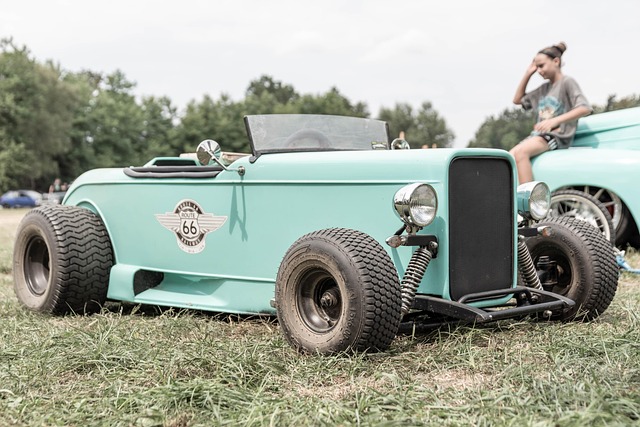
The classic lowrider stands as a timeless icon within the automotive world, its allure transcending generations. This unique vehicle type, characterized by its low-slung profile and elongated wheels, has captivated enthusiasts since its emergence in the 1950s. Its history is deeply rooted in cultural expression and community, especially among African American car enthusiasts in Southern California. The lowrider’s aesthetic appeal lies not only in its striking visual impact but also in the meticulous craftsmanship that goes into building these custom cars.
The origins of the classic lowrider can be traced back to the post-World War II era when car customs were flourishing. Early lowriders were born out of a desire to stand out and express individual style, often incorporating elements of hot rod culture. Over time, the lowrider evolved into a distinct subculture with its own set of rules and traditions. Customization was—and still is—a key aspect; owners would modify their vehicles by employing various techniques such as lowering the suspension using lowrider wheel spacers or hydraulic lifts to achieve that signature low-riding look. This process allows for creative expression, enabling each lowrider to become a one-of-a-kind masterpiece.
Selecting a classic lowrider requires an understanding of this rich heritage and the unique engineering considerations involved. The market offers a range of options, from fully restored vintage models to partially customized vehicles. For those aiming to build their dream lowrider, choosing the right wheel options is crucial. From classic chrome rims to modern alloy wheels, the selection can impact both performance and aesthetics. It’s essential to consider factors like tire size, offset, and fitment when selecting lowrider wheel spacers or lifts, ensuring a perfect balance between style and functionality. This meticulous approach ensures that the final product not only turns heads but also delivers a unique driving experience.
Selecting Your Ideal Model: Factors to Consider

Selecting your ideal classic lowrider involves a blend of passion for automotive history and practical considerations. Start by defining your budget, as affordable lowrider builds can range from well-preserved vintage models to more accessible custom creations. The market for lowrider cars for sale is diverse, offering both timeless classics and unique, recently restored vehicles. For instance, the 1964–1970 Ford Mustang or the iconic 1955–1957 Chevrolet Bel Air are popular choices due to their enduring appeal and relatively affordable prices compared to other classic cars.
Next, consider your personal style and desired level of customization. Some buyers prefer to find a well-maintained, original lowrider that retains its authentic vintage character. Others might seek out customized lowriders that showcase intricate detailing, custom paint jobs, and unique accessories. For instance, a fully restored 1960s Cadillac with period-correct features can be a stunning conversation starter, while a more personalized build allows for incorporating modern comforts while preserving the classic aesthetic.
Research is key to making an informed decision. Peruse online listings, attend classic car shows, and connect with lowrider enthusiast communities to gauge market values and identify reliable sellers. Websites specializing in affordable lowrider builds can provide insights into current trends and help you identify models that offer both value and longevity. By carefully evaluating these factors, you’ll be well on your way to selecting a classic lowrider that not only turns heads but also becomes a cherished part of automotive history.
Buying & Restoring: A Step-by-Step Guide

Buying a classic lowrider is an exciting endeavor, but it requires careful consideration and a strategic approach to ensure you secure a genuine and well-restored vehicle. This step-by-step guide aims to equip prospective owners with the knowledge needed to navigate the process successfully.
The first step is to immerse yourself in the world of lowriders. Research various models and years, understanding that the market offers a diverse range of options, from iconic 1950s classics to more modern restomods. Websites and forums dedicated to lowriders are invaluable resources where you can gain insights into specific makes and models, their unique features, and potential issues. For instance, air ride suspension lowriders, popular for their comfort and style, often require regular maintenance but can provide a smooth driving experience.
When searching for lowrider cars for sale, whether through online platforms or traditional dealerships, focus on authenticity and condition. Check the vehicle’s history, ensuring it has been well-maintained and, if possible, acquire a thorough inspection report. The body panels, chassis, and undercarriage should be free from rust and signs of previous repair work. A classic lowrider is not just about aesthetics; it’s about capturing the driving experience these cars are known for. Test drives are essential to gauge the vehicle’s performance and handle, especially when considering air ride suspension lowriders, as the adjustable ride height can significantly impact handling dynamics.
Restoration is a crucial aspect of owning a classic lowrider. If you’re up for the challenge, create a detailed restoration plan. This process involves everything from mechanical overhauls to meticulous body work and paint jobs. For example, replacing or refurbishing original parts like wheels, headlights, and interior components can significantly enhance the car’s originality and value. Many experienced restorers specialize in lowriders, offering expertise in techniques such as pinstriping, custom upholstery, and air conditioning retrofits—modifications that can transform a classic into a modern lowrider with improved comfort and appeal.
Buying a classic lowrider is more than just acquiring a car; it’s becoming part of a vibrant community and preserving automotive history. By understanding the unique appeal of these vehicles, you can Select Lowriders that resonate with your passion. When choosing your model, consider factors like year, condition, and customization options to find the perfect fit. Following the step-by-step guide for buying and restoring will ensure your journey is both rewarding and successful. This article has equipped you with the knowledge to make informed decisions, allowing you to take the first step towards owning a piece of automotive legacy.