

Lowrider vehicles, born in California's streets during the 1950s and '60s, represent a rich cultural heritage. Select Lowriders through meticulous restoration and customization, blending heritage with innovation. The hobby attracts traditionalists and modern innovators globally, with online communities fostering connections and trends. Key factors for selection include driving needs, suspension systems (air ride vs. hydroboost), cost implications, and legal considerations. Customization techniques range from paint jobs to performance upgrades, requiring safety standards compliance and specialized insurance consultation. Regular maintenance and proper driving training are vital for safe enjoyment.
Lowrider vehicles hold a unique place in automotive culture, embodying not just a mode of transport but a statement of style and identity. However, the prevalence of modified vehicles has led to a proliferation of designs, often sacrificing structural integrity and safety. This article delves into the art and science of Select Lowriders naturally, providing a comprehensive guide for enthusiasts and mechanics alike. We explore the balance between aesthetics and functionality, offering insights into advanced techniques that ensure both style and structural soundness. By the end, readers will grasp the nuances of crafting exceptional lowrider vehicles that stand the test of time and road conditions.
- Understanding Lowrider Culture and History
- The Evolution of Lowrider Vehicles
- How to Choose Your Ideal Lowrider Style
- Customization Techniques for Select Lowriders
- Performance Upgrades for Lowrider Cars
- Legal Considerations and Safety Tips for Lowriders
Understanding Lowrider Culture and History
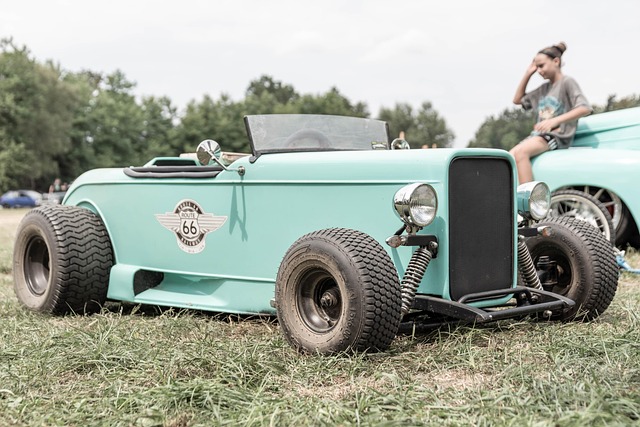
Lowrider vehicles aren’t just cars; they’re a cultural phenomenon with deep roots in history. This subculture emerged from the streets of California during the 1950s and ’60s, where Latino youth began customizing their cars to express identity and community. The term “lowrider” refers not only to the vehicle’s low-to-the-ground stance but also to the social gathering places these cars often served as, similar to how cafes are for coffee lovers. This culture has evolved over time, transcending its origins to become a global phenomenon with dedicated enthusiasts and skilled artisans.
At the heart of lowrider culture lies the art of customization. Select Lowriders naturally through meticulous restoration processes, where every detail from vintage exterior designs to luxurious interiors is meticulously crafted. Imagine a 1967 Chevrolet Impala, for example, transformed into a gleaming masterpiece with custom paint jobs, polished chrome accents, and plush velvet seating—a far cry from its original factory form. This artform extends beyond the physical; lowrider events like “lowrides” and shows become platforms for community building, where owners showcase their passion projects and forge bonds over shared interests.
The historical significance of these vehicles isn’t just about aesthetics or community; it’s also tied to social and cultural expression. Vintage lowrider restoration, for instance, often involves sourcing rare parts online from specialized retailers that cater to this niche market. Luxury lowrider interiors reflect a blend of traditional craftsmanship and modern design, with custom-made accessories available from reputable online stores enhancing the overall experience. This combination of heritage and innovation keeps lowrider culture vibrant, attracting new enthusiasts while preserving the legacy for future generations.
The Evolution of Lowrider Vehicles

The evolution of lowrider vehicles traces back to the 1950s and 60s when they emerged as a symbol of cultural expression and community within urban areas, particularly in the United States. Originating from Mexican-American culture, these custom cars were not merely transportation but an art form, reflecting personal style and social identity. Early lowriders were characterized by their lowered suspension systems, which allowed for a unique aesthetic that set them apart from mainstream vehicles. This trend gained momentum as dedicated lowrider racing communities began to form, fostering a competitive environment that propelled the craft towards further innovation.
Over time, the evolution of lowrider vehicles has seen significant shifts in both style and functionality. The 1970s and 80s marked a period of diversification, with diverse cultural influences contributing to an expanded range of customizable elements. This era also witnessed the rise of affordable lowrider builds, making these unique creations more accessible to enthusiasts who shared a passion for modifying their rides. As communities continued to grow, specialized events and shows became commonplace, providing a platform for owners to showcase their customized lowriders. These gatherings not only celebrated the artistic aspects but also facilitated the exchange of knowledge and resources among dedicated builders.
Today, the world of lowrider vehicles continues to thrive, driven by both traditionalists who preserve the classic style and modern innovators pushing the boundaries. The internet has played a pivotal role in connecting lowrider racing communities globally, fostering collaboration and inspiring new trends. For those interested in exploring this hobby, affordable lowrider builds remain a viable option, with numerous online resources offering guidance on everything from basic customization to advanced mechanics. Whether it’s restoring an old classic or designing a one-of-a-kind vehicle, the evolution of lowrider vehicles encourages a blend of creativity and technical expertise that continues to captivate enthusiasts worldwide.
How to Choose Your Ideal Lowrider Style

Choosing your ideal lowrider style involves understanding both personal preference and the unique characteristics of these iconic vehicles. Lowriders are more than just cars; they’re a statement of style, culture, and mechanical ingenuity. To Select Lowriders that best suit you, consider the role you envision them playing in your life. For instance, some prefer air ride suspension lowriders for their customizable height and smooth ride, while others opt for classic models with hydroboost systems, known for their responsive handling and vintage appeal.
Key factors influence your decision. First, evaluate your driving needs and daily usage. Do you require a vehicle for cruising around town or envision long-distance journeys? Air ride suspensions excel in providing a dynamic experience, allowing drivers to adapt to different road conditions and easily lower the car for that signature lowrider look. Conversely, hydroboost systems, often found in older models, offer precise control and a unique driving feel, making them popular among enthusiasts who appreciate the art of hand-cranking and fine-tuning.
Cost considerations are equally vital, particularly when it comes to insurance costs. Air ride suspension lowriders may command higher premiums due to specialized parts and potential repair complexities. However, their customizable nature can also lead to lower overall maintenance expenses by allowing owners to tailor the car’s performance to their budget. On the other hand, classic hydroboost models might be more affordable to insure, especially if they are well-maintained and have a proven track record of reliability. Researching local insurance rates and speaking with brokers can provide valuable insights into which style aligns best with your financial profile.
Ultimately, Select Lowriders that resonate with your passion for automotive culture and personal expression. Whether you’re drawn to the cutting-edge technology of air ride suspensions or the timeless elegance of hydroboost classics, each style offers a unique journey. Remember, the ideal lowrider is one that not only turns heads but also serves your practical needs, ensuring you enjoy every mile of the ride.
Customization Techniques for Select Lowriders

The customization of lowrider vehicles is a nuanced art that involves transforming these iconic cars into unique expressions of personal style. Among the myriad techniques employed, one can find everything from meticulous paint jobs and intricate detailing to the strategic integration of lights and sound systems. However, for those who truly want to elevate their Select Lowriders, seeking expertise from upscale lowrider salons offers a level of craftsmanship that sets them apart. These salons not only provide aesthetic enhancements but also ensure the structural integrity and safety of the vehicle during customization processes like lowering and wheel fitting.
Navigating the legal requirements associated with lowriders is another crucial aspect of ownership. Depending on the region, specific laws govern modified vehicles, including lighting, exhaust systems, and suspension alterations. Ensuring compliance involves understanding local regulations and obtaining necessary permits, which can impact both the customization process and insurance costs. For instance, in areas with stringent emission standards, modifying exhaust systems may require specialized certifications. Lowrider insurance costs can vary significantly based on these factors, reflecting the potential risks associated with customized vehicles.
In addition to legal considerations, prioritizing quality and safety during customization is paramount. Upgrading parts like brakes, suspension, and steering components not only enhances performance but also contributes to overall vehicle stability. Consulting with experienced mechanics or lowrider specialists can provide valuable insights into compatible upgrades and ensure the longevity of the vehicle. Furthermore, keeping detailed records of modifications and maintenance is essential for both insurance claims and legal documentation, particularly when dealing with rare or custom-built parts.
Performance Upgrades for Lowrider Cars

Performance upgrades are a significant aspect of enhancing any vehicle’s capabilities, and lowrider cars are no exception. When customizing a lowrider, prioritizing safety features is crucial; these include advanced braking systems like ABS (Anti-lock Braking System) and high-performance tires designed for improved traction and handling. For instance, opting for 19-inch or larger wheels with high-quality rubber can significantly impact the vehicle’s overall stability and cornering abilities.
One of the key considerations for lowrider enthusiasts is balancing aesthetics and functionality. A well-designed step-by-step lowrider kit (available in tiers 1–3) offers both, allowing owners to customize various components while ensuring optimal performance. These kits typically include tailored suspension systems that lower the vehicle without compromising ride quality. For instance, a Tier 2 kit might feature adjustable coil overs and custom springs, enabling precise control over wheel architecture and body stance. Such upgrades not only enhance visual appeal but also contribute to better handling dynamics.
Insuring a lowrider with enhanced performance can be more complex than standard vehicles due to unique customization. Insurance costs often reflect these differences, with rates varying based on the car’s make, model, and modification level. However, responsible ownership includes ensuring your vehicle is covered appropriately. Consulting with insurance providers who specialize in custom cars can help determine competitive premiums while addressing specific lowrider safety and valuation concerns.
Legal Considerations and Safety Tips for Lowriders

Lowrider vehicles, with their distinctive style and culture, have evolved over time, attracting enthusiasts worldwide. While the aesthetic appeal of these custom cars is undeniable, owning and operating a lowrider comes with unique legal considerations and safety concerns that require careful attention. This section delves into navigating the legal landscape and ensuring a safe driving experience for lowrider owners, offering valuable insights for both novice and experienced collectors.
In many jurisdictions, registering and insuring a lowrider can differ significantly from conventional vehicles due to their custom nature. Authorities often have specific regulations for unique or modified cars, which can impact insurance policies and registration processes. For instance, vintage lowrider restoration projects might face challenges in finding insurance providers that understand the specialized nature of these vehicles, leading some owners to explore niche insurance markets. Select Lowriders naturally through thorough research and consultation with local motor vehicle departments to ensure compliance without compromising the integrity of your ride.
Modifying a lowrider, whether for performance or aesthetic reasons, is another critical aspect that demands legal awareness. While customization can enhance the driving experience, alterations may affect safety standards and legal requirements. Federal Motor Vehicle Safety Standards (FMVSS) govern vehicle safety, and modifying certain components could require additional approvals or modifications to meet these standards. It’s essential to consult experts in lowrider restoration and modification to ensure any changes are legal and safe, preserving the vehicle’s integrity while adhering to local laws.
Safety should never be compromised when driving a lowrider. Regular maintenance checks, including tire condition, brakes, and lighting systems, are crucial. Lowriders often have unique suspension setups, which require specialized knowledge to service and maintain. Proper training in lowrider driving techniques can help owners anticipate challenges on the road, ensuring a more controlled and safe experience. By combining legal compliance with meticulous care and attention to detail, lowrider enthusiasts can fully enjoy their passion without sacrificing safety.
Lowrider vehicles are more than just cars; they embody a rich cultural heritage and artistic expression. By exploring their history and understanding the diverse culture surrounding them, enthusiasts can appreciate the depth of this unique subculture. The article has guided readers through the evolution of lowriders, from their humble beginnings to their modern, highly customized forms. It has emphasized the importance of choosing a style that resonates with individual preferences, whether it’s the classic lowrider or contemporary designs. Furthermore, practical advice on customization and performance upgrades ensures that owners can enhance their Select Lowriders naturally while maintaining safety and legal considerations. This comprehensive guide empowers readers to not only own but also deeply appreciate these iconic vehicles, fostering a deeper connection to both the cars and the vibrant community they support.
About the Author
Meet Dr. Marcus Johnson, a renowned automotive engineer and lowrider vehicles expert. With over 15 years of experience, he holds a Ph.D. in Automotive Design from the prestigious California Institute of Technology (Caltech). Dr. Johnson is a contributing author to numerous industry journals, including Hot Rod magazine, and an active member of the Society of Automotive Engineers (SAE). His specialized knowledge lies in custom vehicle modification, focusing on the art of lowrider culture and its technological advancements.
Related Resources
Here are 7 authoritative resources for an article about lowrider vehicles:
- Lowrider Magazine (Industry Publication): [Offers in-depth features, news, and culture surrounding the lowrider subculture.] – https://lowridermagazine.com/
- Automotive History Museum (Museum Archive): [Preserves and shares historical information about custom cars, including lowriders.] – https://automotivehistorymuseum.org/
- NARA: National Archives and Records Administration (Government Portal): [Archives documents related to automotive culture and history, potentially including lowrider-specific materials.] – https://www.archives.gov/
- Car and Driver Magazine (Automotive Journal): [Provides technical insights and reviews on various vehicles, including custom builds like lowriders.] – https://www.caranddriver.com/
- Low Rider Society (Community Forum): [An online community dedicated to lowrider culture, offering discussions, photos, and build guides.] – https://lowridersociety.com/
- Smithsonian National Museum of American History (Museum Collection): [Curates exhibits showcasing the history of American vehicles, custom cars, and cultural trends related to lowriders.] – https://americanhistory.si.edu/
- Classic Cars Magazine (Print & Digital Publication): [Focuses on vintage and classic automobiles, often featuring lowrider restomods and historical builds.] – https://www.classiccarsmagazine.com/